When the Center Shifts
The following is a summary of the letters for SEPTEMBER 1964
Malalo Mission Station
Malalo in Early Spring: Cool Rain and Soft Light
September opens with weather that feels almost merciful. Rain comes in intervals rather than sheets. Sunshine breaks through often enough that clothes dry and spirits lift. The air stays cool, the kind of cool that sharpens attention rather than dulling it.
Malalo sits unchanged on its hill above Buakup—open to sea air, visible from miles away, paths worn smooth by decades of climbing feet. Yet beneath the familiar rhythms, something is shifting. Not dramatically. Quietly.
September will reveal it.
Background context with Malalo
Alvin in the Hotec and Buang Mountains: Teaching Without Notes
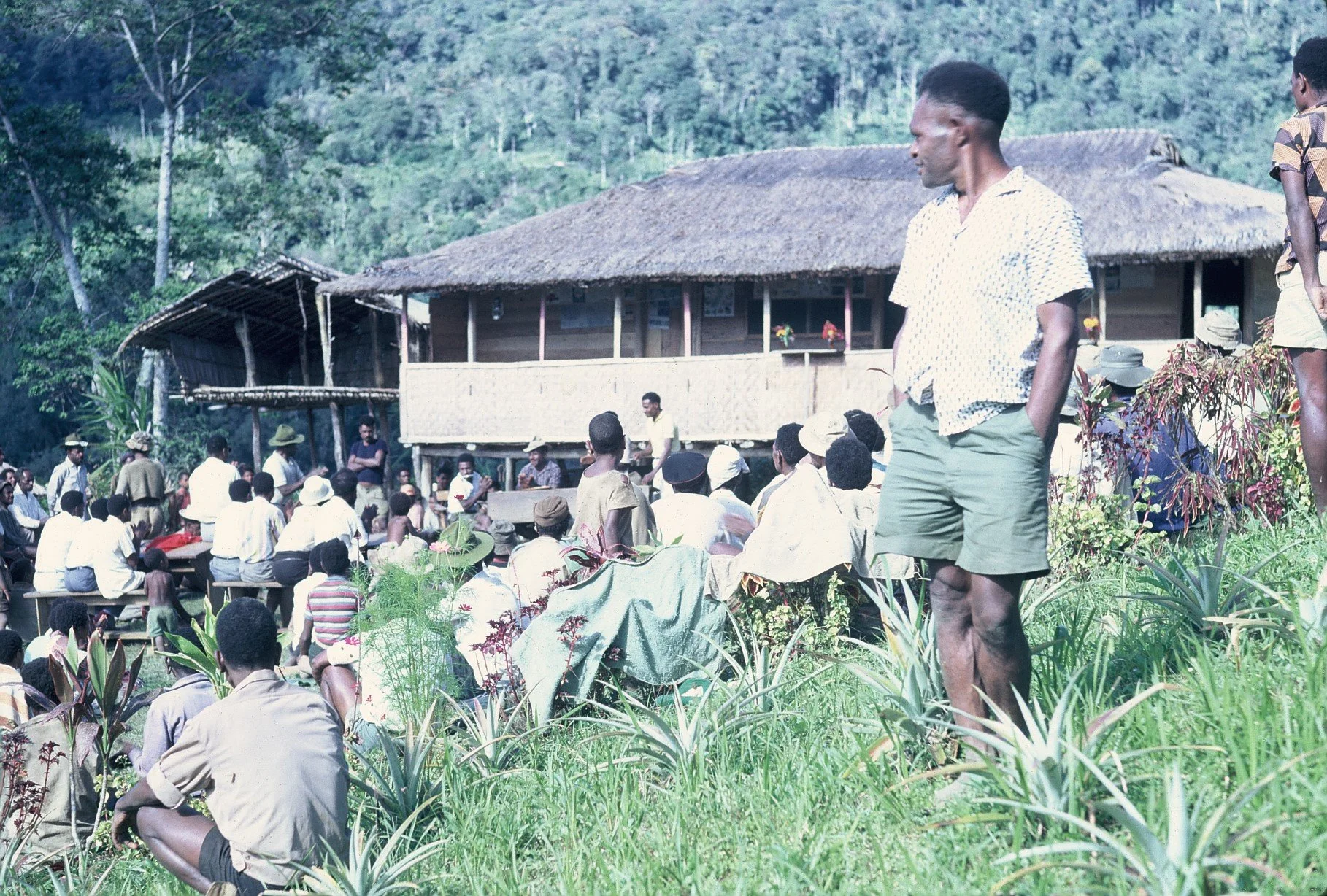
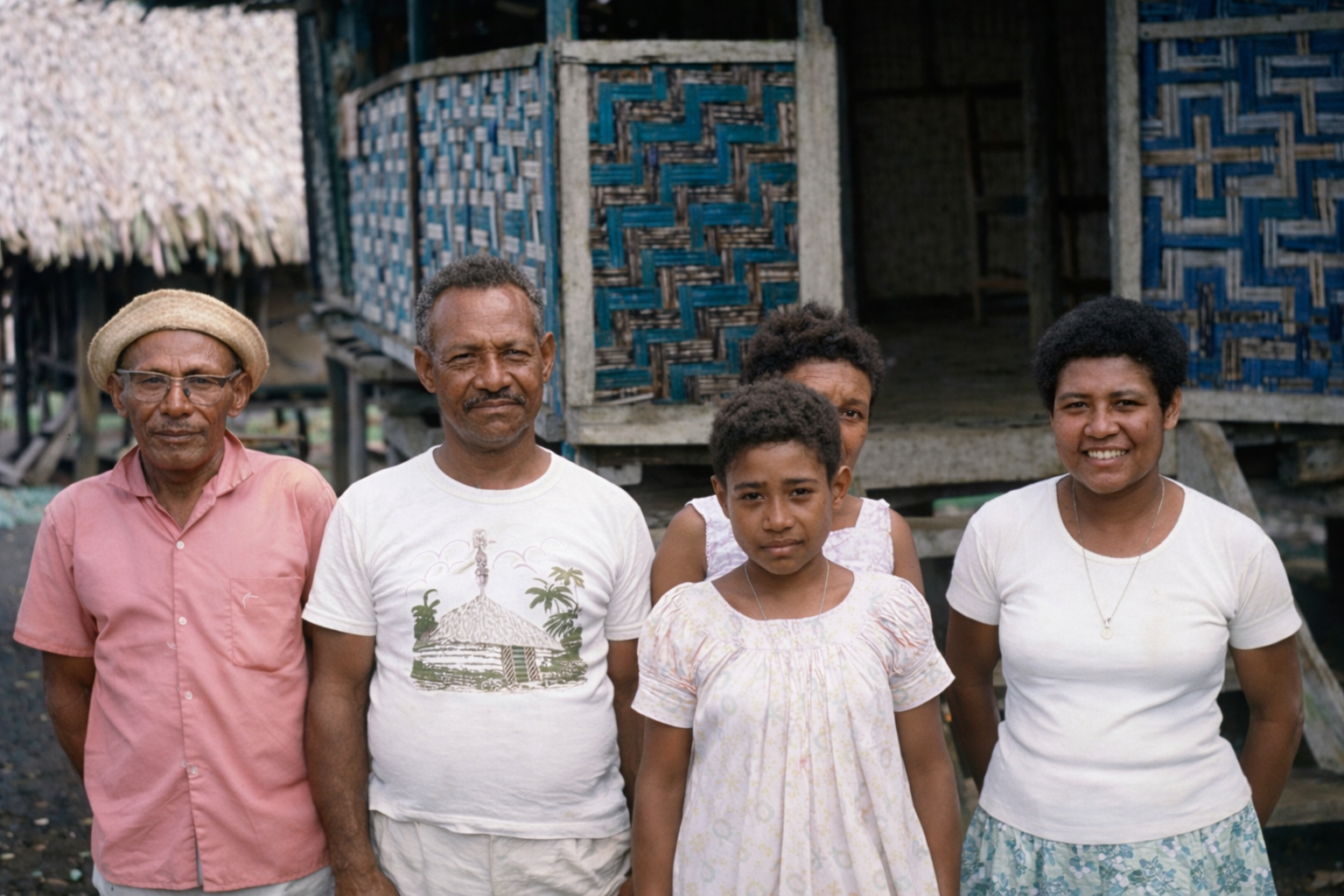
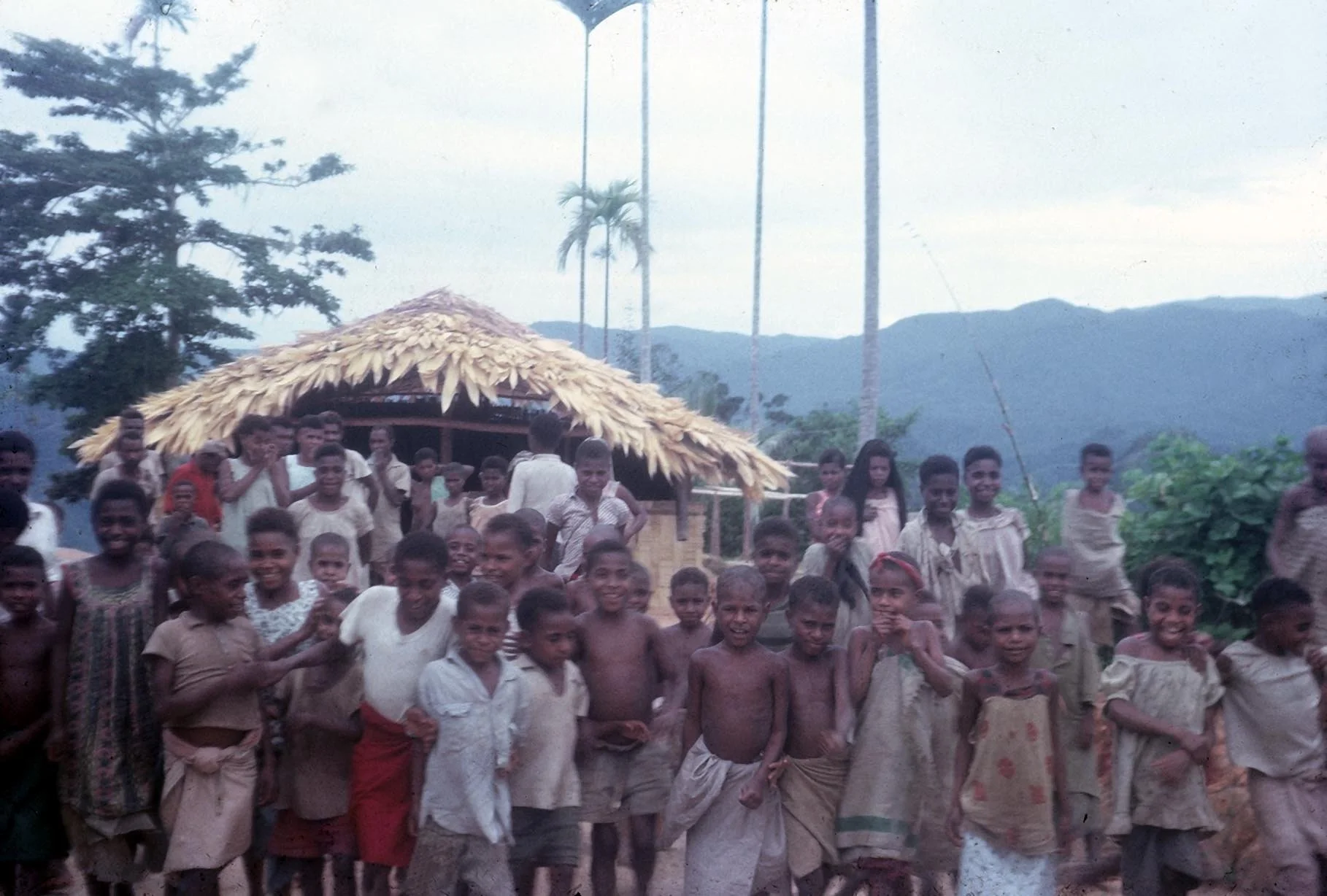
Alvin spends much of the month away from Malalo, moving through the Hotec and Buang mountain areas, holding elder courses that look nothing like classrooms back home.
There are no notebooks. No lectures in the formal sense. No outlines to follow.
Instead, Alvin works by conversation—posing questions, encouraging discussion, allowing the men to speak through what they believe rather than recite what they have been told. He introduces new ideas slowly, gently, always testing whether they take root or slide away.
The faith of these mountain Christians is simple and trusting. Life after death is accepted readily. God is near, personal, assumed. Yet on the coast, that certainty has begun to fray. The church feels thin, attendance uneven, enthusiasm muted.
These elder courses are meant to rekindle dying embers, especially among men whose authority has weakened as village structures change. The work is fragile, easily discouraged—but by month’s end, the spirit among the elders is better than Alvin dared hope.
They pray that the Holy Spirit will fan the coals into flame.
1964 September 7
When the Church No Longer Commands the Village
Ina names the problem plainly in her letters.
The village is no longer the center of a person’s life—and neither, automatically, is the church.
Once, the congregation decided who would become teacher, pastor, evangelist. Obedience was expected. Social order enforced itself. Rogues were controlled by belonging—or exile.
Now, young men leave for town compounds, earning wages with fewer responsibilities. They return less often. They ask why they should work for nothing when others are paid for less. Education pulls children away from villages that raised them, and they do not always come back.
Attendance at Sunday services drops. Communion feels optional. Gardening for market competes with walking hours to church.
The response is not abandonment—but adaptation.
Instead of insisting everyone come to Malalo, pastors now travel village to village, holding communion locally. Circuit meetings remain centralized, but weekly worship disperses. The response is unexpectedly strong.
Faith, Ina observes, must now be chosen person by person, not inherited village by village.
1964 September 20
Hospitality as Restoration: Tea at Malalo
During one elder course at Malalo, the discouragement nearly overwhelms Alvin.
Sessions begin late. Representatives from large nearby villages fail to arrive. Only men from the smallest villages appear. By New Guinean standards, the indifference is deeply rude—not rebellion against the missionary, but something more troubling: indifference toward the gospel itself.
Alvin reaches the end of his patience.
And then, slowly, the tone shifts.
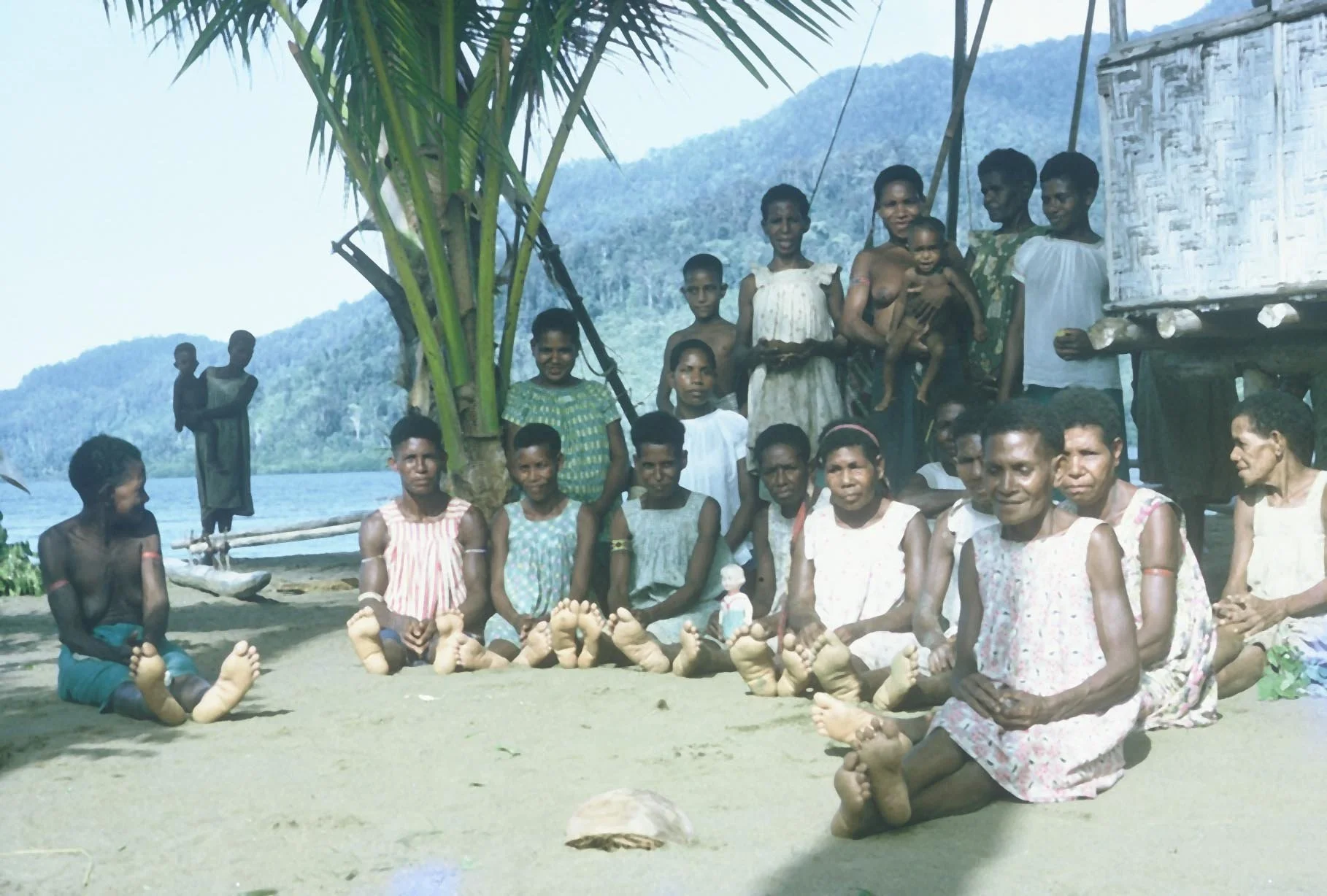
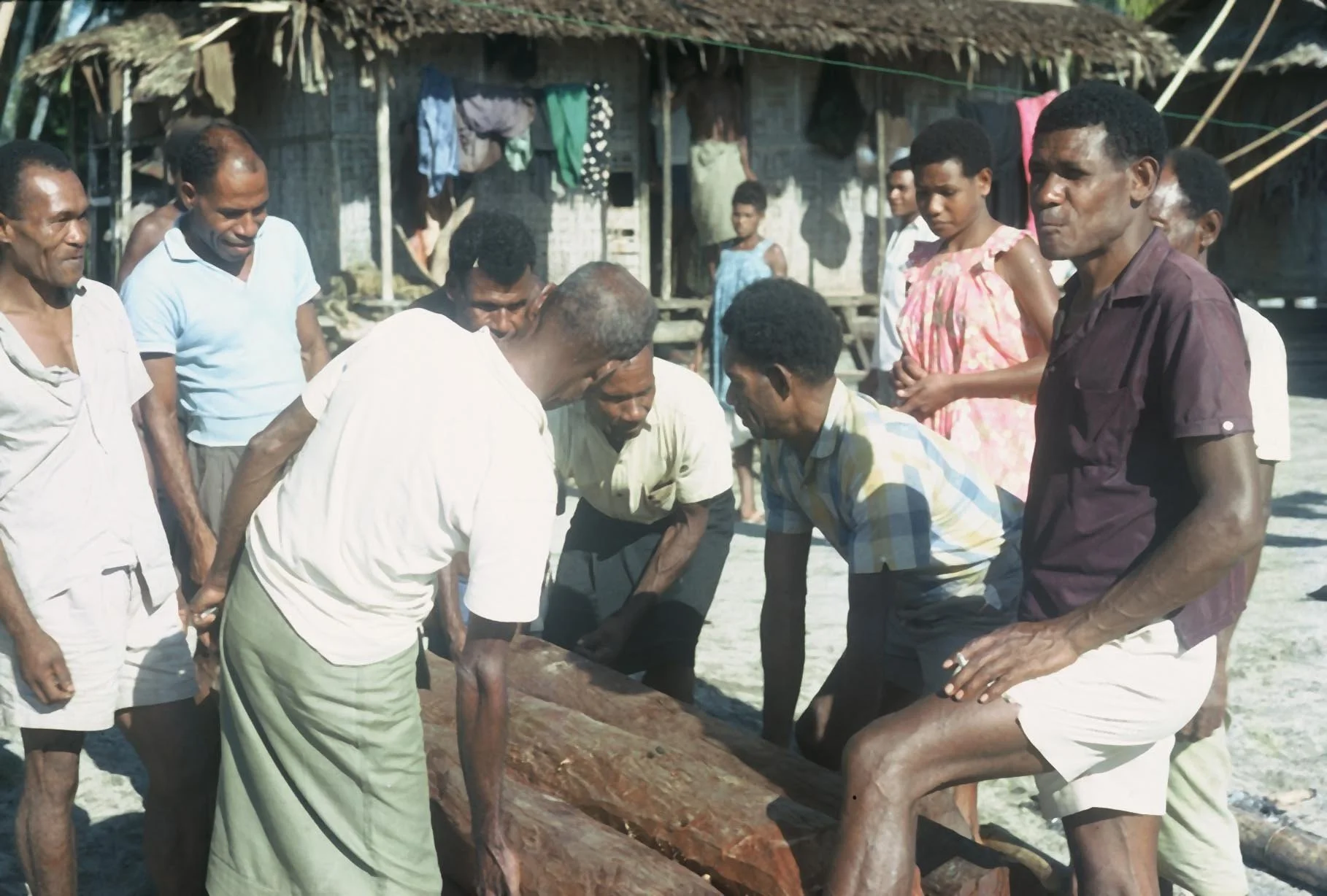
More men arrive. Discussions deepen. By Friday evening, Ina invites the elders into the house for tea.
She bakes sugar cookies with nutmeg, serves tea and hard rye biscuits—the same biscuits given as wages to workers, filling and nourishing. The men are deeply grateful, not simply for food, but for inclusion.
It seems to tell them something unspoken: you are not scum. You are welcome here.
By Saturday, the spirit of the gathering has transformed. Even the missionary breathes again.
1964 September 7
Children in the Midst of Everything
At home, life is full.
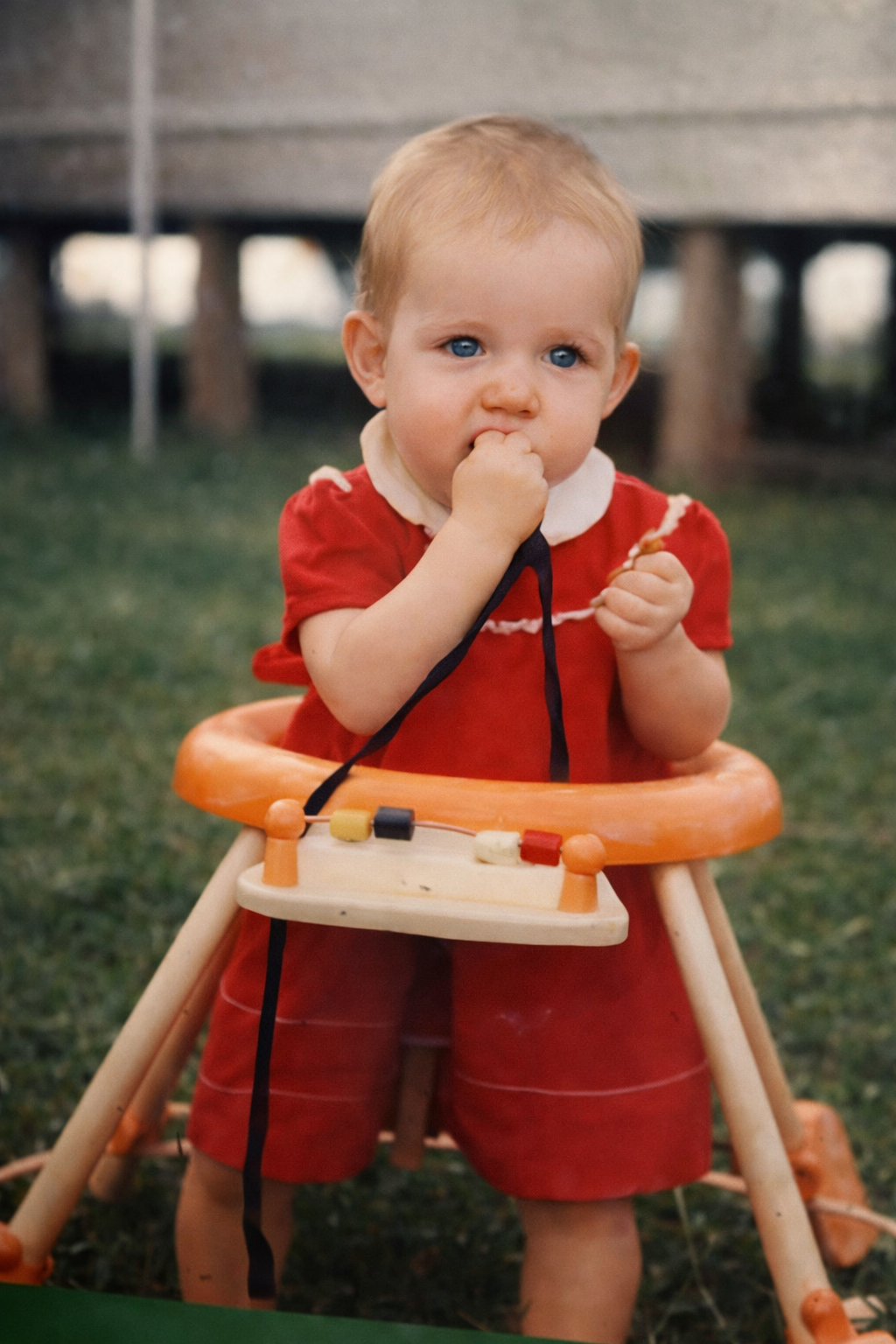
Kristi, now one year old, walks confidently, delighted with herself. She is sturdy, sunny, twenty-five pounds of determination. She understands “no” and “don’t,” runs toward her father when she hears his voice, and offers “tonta” (thank you) as her second word after “daddy.”
Paula, four, absorbs language eagerly. She wants to know why everything has two names—Jabem and English—and wonders whether people back home speak Jabem too. She reads letters on boxes, knows her colors and numbers, and devours books sent from America.
Tommy, three, asks endless questions. Every night when Ina tucks him in, he asks if he will wake up in the morning. She does not know why the question troubles him, only that it does.
These children grow in the midst of complexity, surrounded by love, responsibility, and the unspoken awareness that life is precious.
Medicine and Mercy: Near Misses
September brings its own quiet alarms.
Ina receives a letter from the hospital: a boy she had sent in was diagnosed with meningitis—something she had not suspected. She realizes she did not take full precautions afterward. She thanks God fervently that none of her children became ill.
Another boy arrives believing he has been bitten by a snake. Ina examines him carefully, waiting for symptoms before administering antivenom. Caution here is not neglect—it is wisdom shaped by scarcity.
Malaria and tuberculosis continue their steady drain on strength across the circuit. A WHO team arrives, offering injections meant to prevent malaria for a year, spraying swamps, clearing breeding grounds. Ina imagines what it would mean if malaria could truly be conquered.
Energy itself would be returned to the people.
New Families at Malalo: The Littles Arrive
Change arrives in the form of Graham and Vilma Little, newly appointed sawmillers, with their two small children—Robin, five, and Heather, not yet two.
They arrive sooner than expected. Their house is not ready. They move into the Ericksons’ home temporarily.
The adjustment is immediate and loud.
Children collide. Robin outweighs Tommy by ten pounds and plays rough. Heather adores Kristi but pokes eyes and knocks her over. Tears are frequent. Companionship is necessary, but learning it takes time.
Graham, cheerful and capable, proves to be a builder, mechanic, and sawmiller all at once. Vilma is active, friendly, eager to visit. Al is relieved—deeply relieved—to have someone of his own language to talk with again.
Conversation stretches beyond what Jabem or pidgin can carry.
Turning the mill over to Graham feels like an answer to prayer.
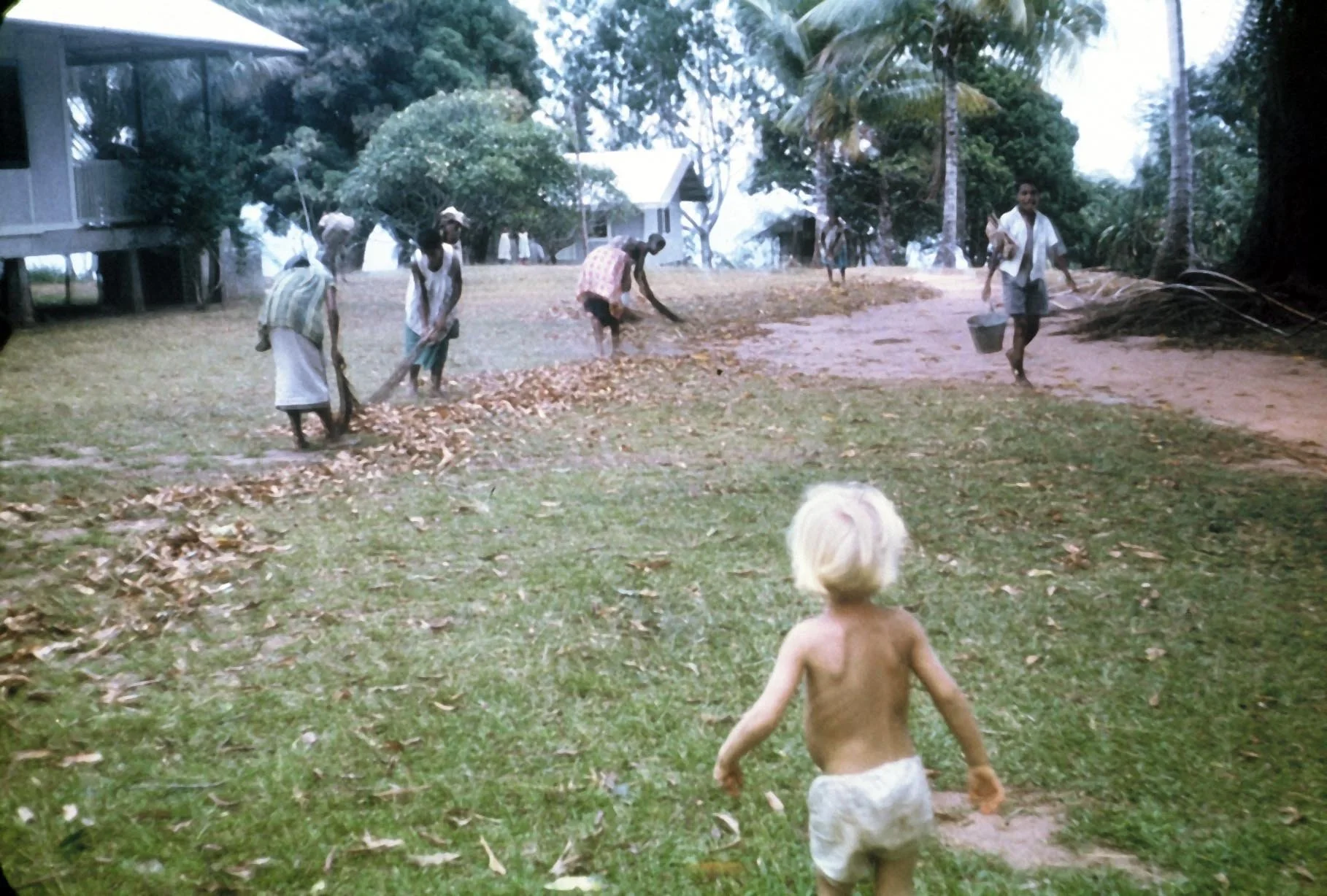

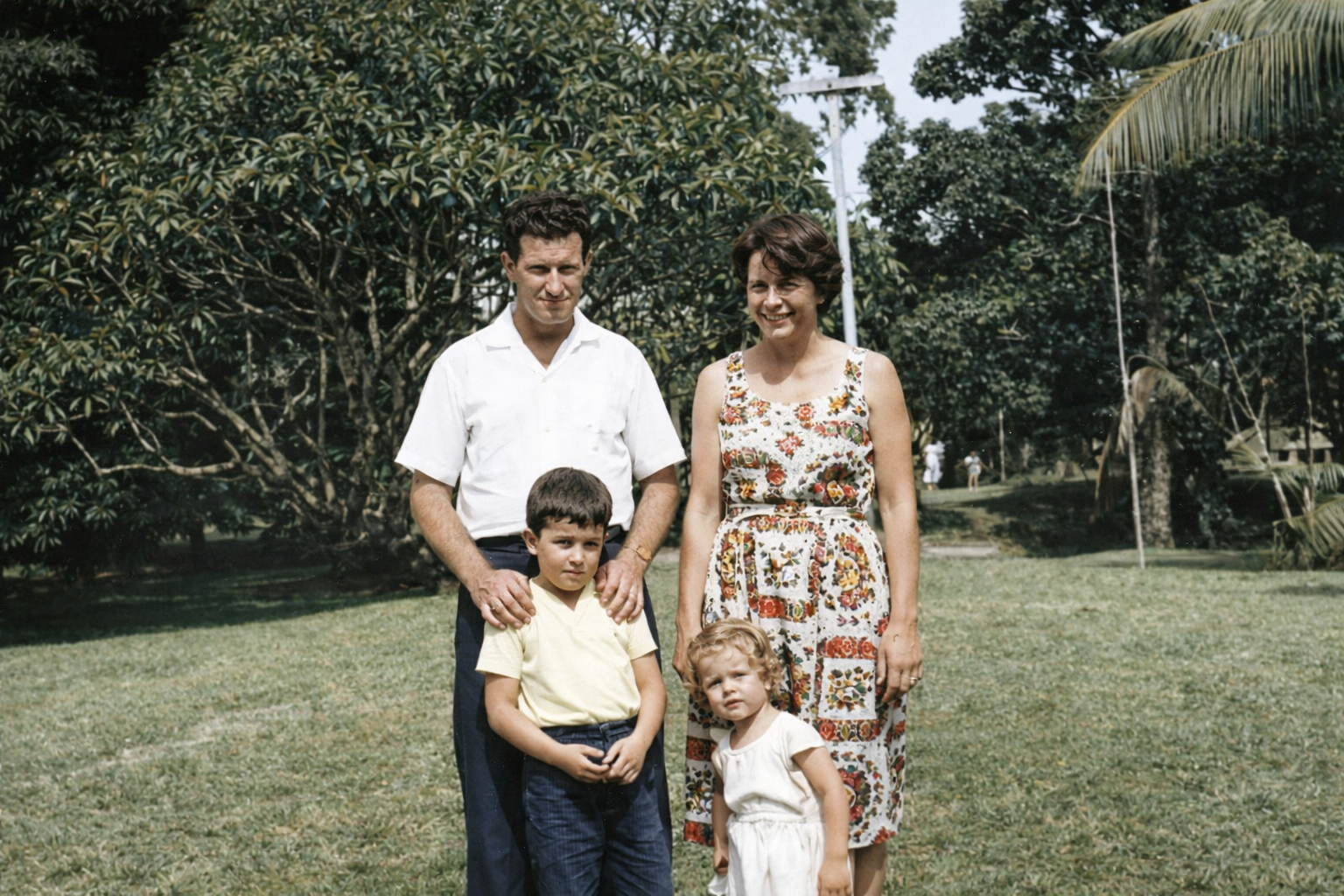
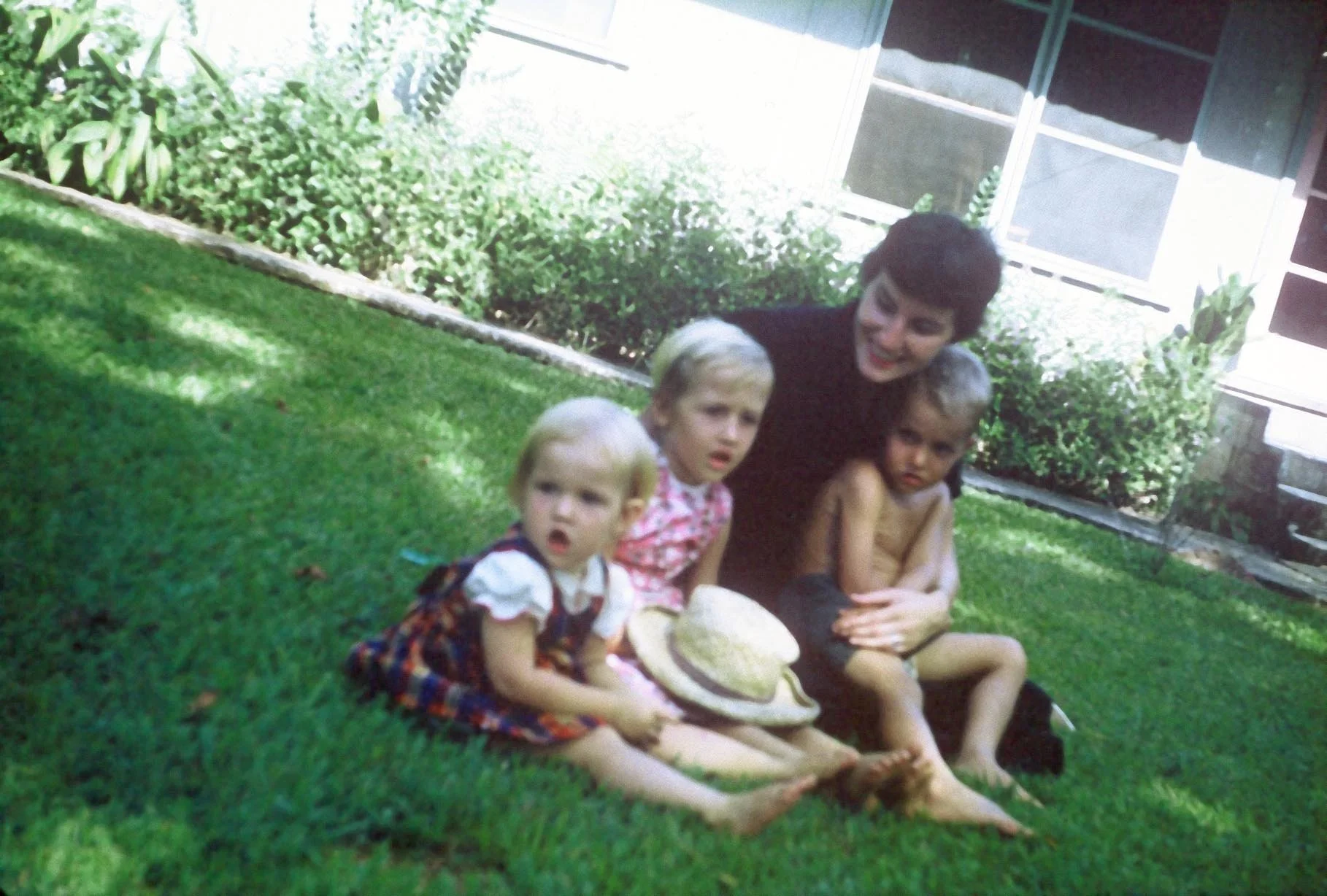
Southside of the Malalo station house cleanup, playing on the veranda. The Graham Little family- Vilma or Val, Robin and heather
Economy, Development, and the Gospel’s Long View
Ina lays out the logic clearly in her letters.
Church workers are paid too little. Young people will not choose church vocations unless the economy improves. Therefore, the church must become involved—carefully—in income-generating projects.
The sawmill is one. Fishing is another: nets purchased, fish hauled to market by the Victor, profits set aside to replace equipment. An icing machine is imagined.
In the Buangs, vegetables now reach the coast via airstrip—but organization and tools are still lacking.
In the Hotec area, the vision grows: consolidate villages into one school and settlement, with a health center, a road passable by donkey, access to market. The site is only three hours’ walk from Malalo—one mountain range instead of two.
Ina insists: these projects are means, not ends. The end remains the same—that people come to know the love of Christ and choose to live within it.
1964 September 20
Possessions and Quiet Change
Ina notices small shifts everywhere.
Beds appear in the homes of the New Guineans. Mosquito nets. Tables. Chairs. Ant cupboards. Extra clothes. Soap. Sugar. Rice. Matches.
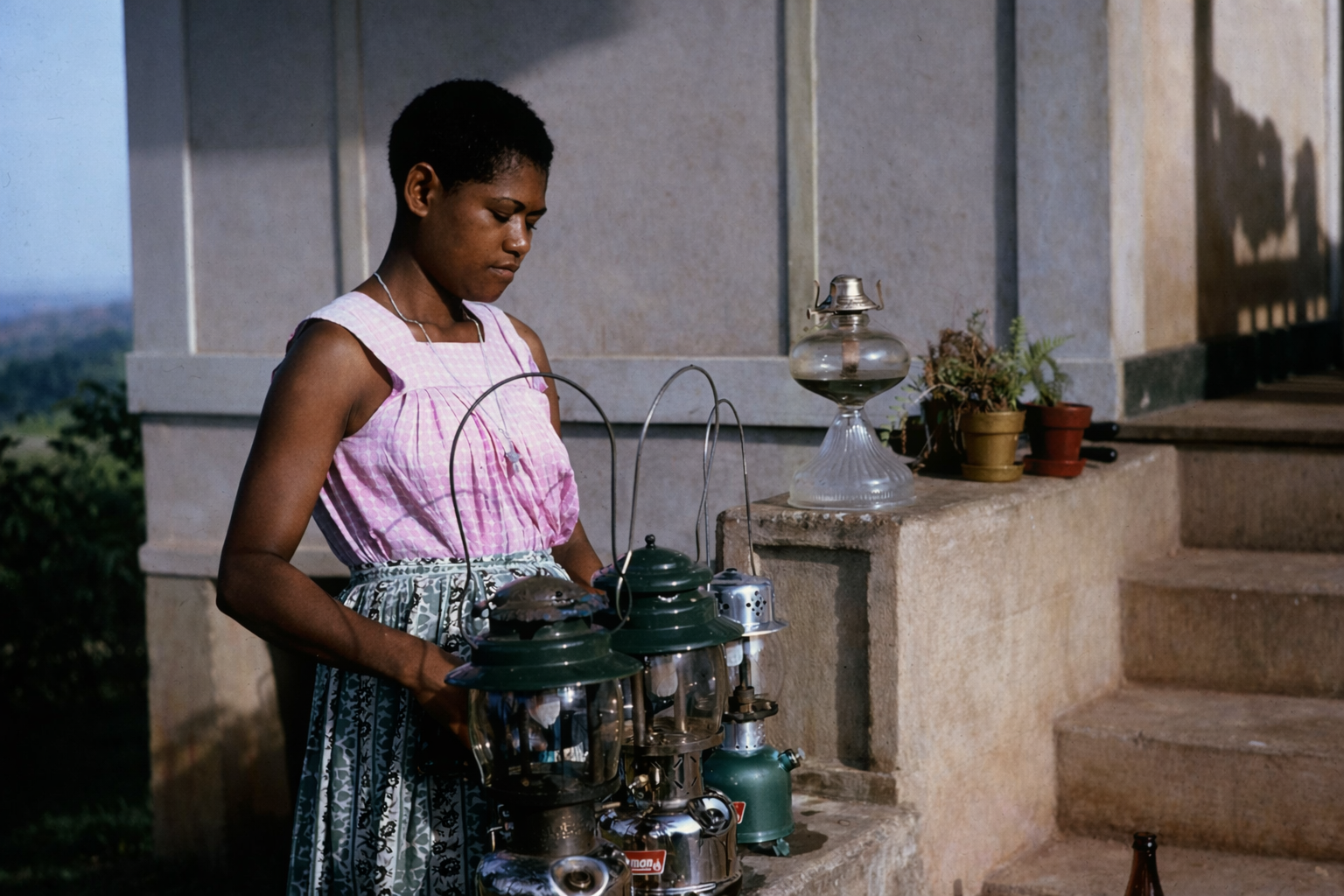
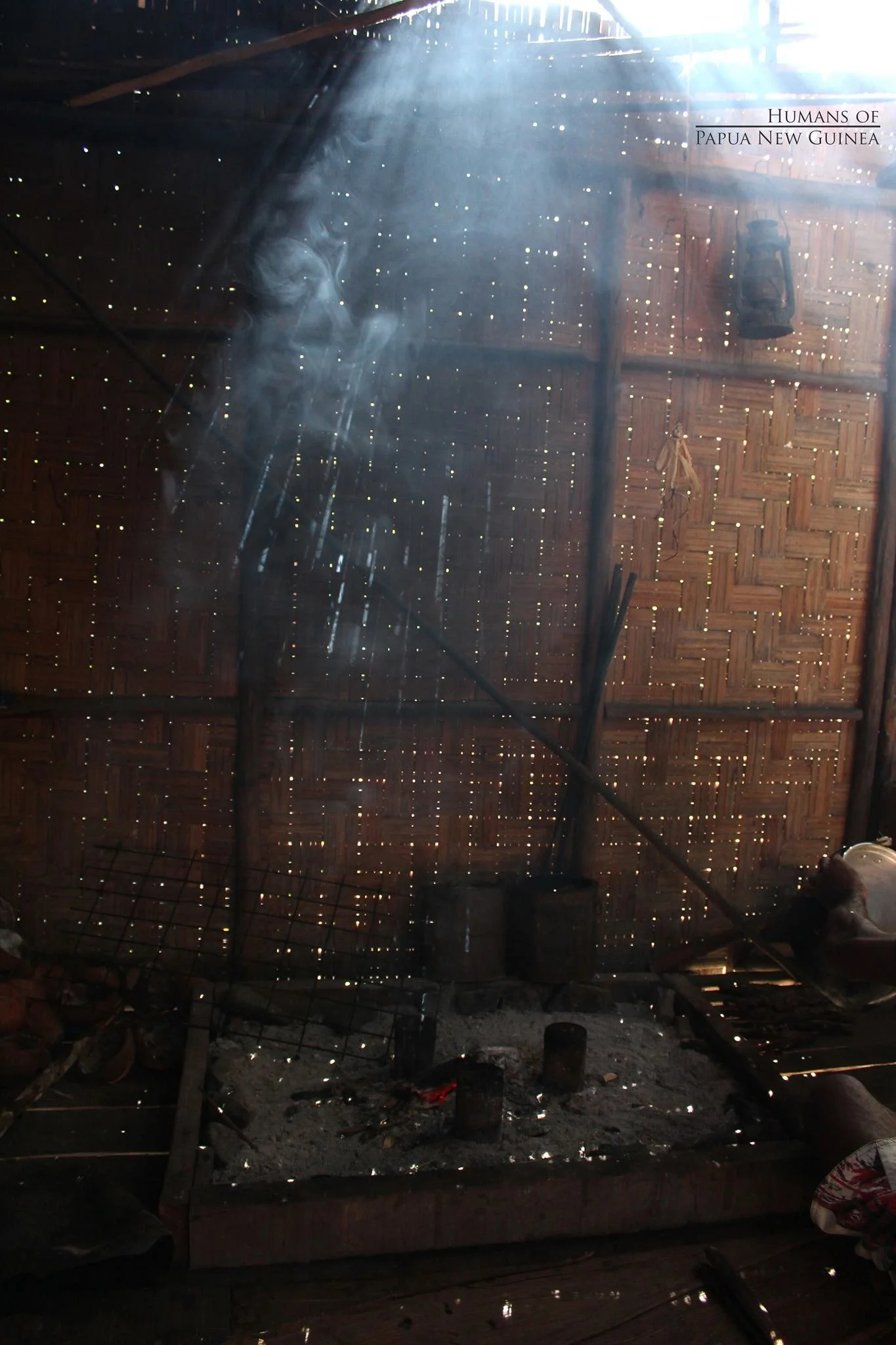
Kerosene lamps and flashlights become common. Cigarettes grow longer, rolled from homegrown tobacco. People still sit around smoldering fires at night—but retire earlier, rise earlier, live longer days.
Change is uneven, imperfect—but real.
1964 September 20
Correspondence That Holds the World Together
Letters continue to bind Malalo to the outside.
Gertrude Rasmussen manages newsletters faithfully. Teachers appear unexpectedly at the wharf and ride boats without luggage, confident they will manage. Friends surface at Bula, at Salamaua, at Lae—faces that anchor memory.
Through letters, Malalo is never entirely alone.
1964 September 30 to Gertrude
September’s Shape
September is not dramatic.
It is revealing.
Old structures loosen. New ones strain to form. Faith shifts from inherited to chosen. Leadership moves from authority to persuasion. Hospitality repairs dignity. Children grow. Work multiplies.
Malalo does not lose its center.
It redefines it.
Sources
September 1964 letters by Ina Erickson from Malalo Mission Station
1964 September 7 Kewi
Letter written by Ina Erickson from the village of Kewi to Durward and Estelle Titus Box 224 Route1, Carlos MN USA
Dear folks,
It really seems impossible that it has been nine years since Willa and Martin took a big step. But a mighty lot has happened in that time. Just think I didn’t even know Al then.
Al is in Hotec conducting an elder course. He couldn’t possibly have lectures as no one takes notes, so what he has been doing, is encouraging class and discussions bringing in new ideas very slowly. Then encouraging them to talk over what they believe. The people or rather the Christians here have such a simple, trusting faith, and it seems they accept life after death very readily. We’ve been praying that the Holy Spirit would work through these classes to rekindle the dying light in our church, especially on the coast.
The one he had at Malalo, we thought was going to be a flop. After he prepared for weeks they decided to postpone it a week. So we went down the coast to Kewi. Then they set the starting date for Tuesday and at noon. No one had arrived yet. This is really rude by New Guinea standards, to be so indifferent, and especially to the missionary, rather than being a rebellion against our or us. It is more deep than that a rebellion against the gospel. Church – – we surely were troubled. Saw Mill representatives from the very smallest villages showed up, but not one from the nearby large villages. The first decision was that they had not have evening sessions. The session of Wednesday morning was supposed to be at 8 to 9 and some said it would be a little while. They cooking their food so soon after that, they all filed down to church.
Al decided not to go down. Soon another came up. ‘We’re ready when you are.’ Was just about at the end of his rope. He decided to send down and said just that. I just don’t know what to do about your people. I’m at a complete loss. Then he wasted about an hour before he went down, and by the time there had been a bit of discussion and talking took on a different tone by the afternoon session. More villagers were represented, and the mood had changed. The Holy Spirit was working, and by the end of the session on Saturday, everyone was in a very good spirit, including the missionary.
Friday night we invited them in for tea. I found a nice large recipe for sugar cookies with nutmeg, and so had them on hand and tea and hard biscuits. They are 3 in. rye, hard biscuit we buy in large cartons to give to our workers as part of their wages. We have to give about half of their wages in food. For married men each according to the number in his family. Not according to how well he works – that’s the law. They are filling and nutritious and our kids like them as well.
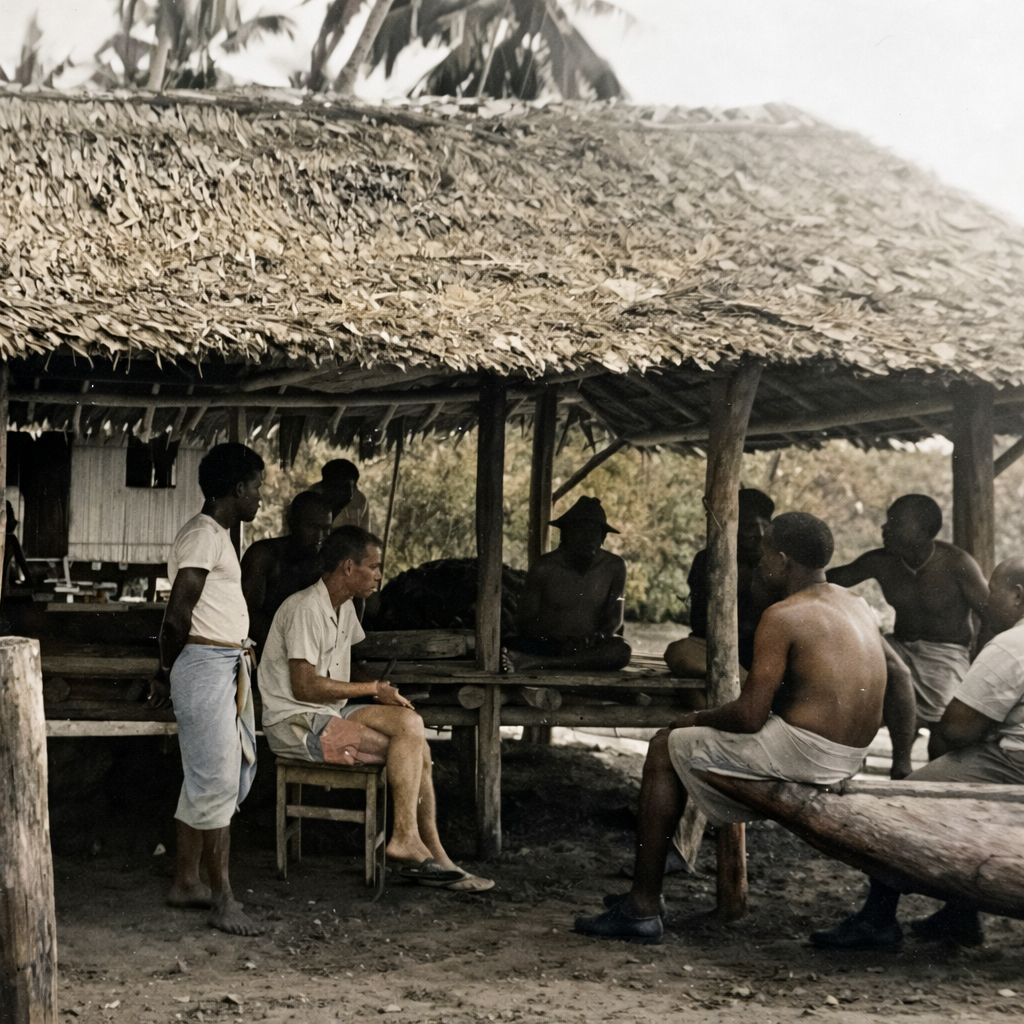
The fellows were so grateful for being invited into our home. It seemed to make them feel like maybe we don’t think they are scum.
The kids can’t understand why everything has two names, so I explain to Paula one was Jabem and that the house girls and the people spoke Jabem and that daddy and I spoke English then later she wondered if Mary spoke Jabem or not.
Kristi scampers around like a veteran first taking little longer walks, then trying turning around. She was really proud about that and then getting to a standing position by herself in the middle of the floor. Now she can carry something in each hand or pick something up from the floor, leaning and getting up again. She sure knows daddy and comes running when she hears his voice – dadadadsda-her only other word is ‘Tonta’ or thank you. She sure is a sunny little 25 pound mite. She understands’ no’ and is quick to leave things alone. Tommy and Paula sure love her and are always looking out for her. They give her anything she wants and sharing anything they have with her. Tommy was wondering if he could drive the Victor to America?
We surely love and miss you all. Thanks so much for the cards and letters and especially prayers.!
Love, Al, Ina Paula, Tommy, and Kristi
PS I wrote a letter to someone saying they could get slides and stuff from you. A lady in Texas. I don’t know if she’ll contact you or not. Our weather has been so delightful – rainy and cool. We were a bit flooded so dry ditches today. Also trimmed rosebushes and transplanted some other roses and tacked orchid plants to some trees. I’m delighted you’re sending Paula books. She’s eager to learn. She likes to pick out letters on boxes and knows her colors and numbers.
1964 September 17
Dear Lynn, Phyl, Rob and Jeff,
Have we ever been having a lovely cool, rainy season. The sunshine between showers so everything doesn’t get as moldy as usual including our brains.
We had a letter from Garvin last week saying he’d received the book you sent. Thanks so much for sending it. He was grateful for your letter. It seems to help a bit to be remembered in the “outside”. Will you pray with me and asking God to use him -Garvin, to help others of his companion to find a rhyme and reason for life. It will strengthen his relationship to God, and certainly will be of benefit to those, he witnesses to.
Kristi just passed her first birthday and is walking quite well. Her only words are daddy and thank you, but she understands a few more commands like don’t and no outside.!
She was a real climber for a while, but after a few good spills, including a gash above her right eye that had to be stitched, curtailed that instinct. She’s been such a happy baby. We’ve enjoyed her so much.
Paula is a happy go lucky four-year-old. After a stormy three – it sure is welcome. Now it’s Tommy’s turn to be stormy. His favorite question is what you doing that for? No matter what it is. He isn’t satisfied until I give him a satisfactory answer.
Al has been working with the elders just now holding special classes for each group and two different mountain groups, and the two different coastal groups.
Hope the little league is doing OK. Did you ever find a house?....

1964 September 17
Dear Dorothy and Erva,
Greetings in the name of our risen, savior. I want to chat a bit with both Erva and Dorothy’s so I decided to make a carbon copy. I hope you don’t mind. The weather has been so delightful and so pleasantly cool. It’s just wonderful to be alive. The rain comes in spurts not a continuous downpour day and night as it has in the past two years. The ground is a bit soggy so the water is beginning to stand. So today I was a ditch digger and trenched some waterways. I was so pleased when the water actually had drained away. While I was digging around, I found a lovely plant with large shiny leaves with white and green on them. So, I dug it up and put it in a bucket and brought it in the house. I hope I can keep it growing as I certainly don’t have a green thumb. Earlier I found a rosebush that was growing on its own after four of my pampered ones died. This one bloom and blooms.
Al is in the mountains conducting his Elders course. The Holy Spirit has been guiding, and the men seem to be more responsive than we dared hoped. We pray that the Holy Spirit will fan the coals into a blazing fire.
Yesterday I got a letter back from the hospital about a boy I had sent in – saying his diagnosis was meningitis – this I hadn’t suspected and hadn’t taken the usual precaution of changing clothes and showering, and washing my hair before I touched the kids. I thank God that none of us got it.
Last week we had a boy come who thought he had been bitten by a snake. I checked to see if he was allergic to the medicine before it was necessary to give it to him. I usually wait for symptoms before I give them the anti-venom medicine if they aren’t sure of the bite was from a snake or if it was poisonous or not. Cut off-
Kristi can walk now. It really has been pure joy having her around – she has the funniest disposition I’ve ever seen. She takes to anyone and seems to be able to enjoy whatever is happening. She sure smiles and loves the house girls. Every night when I tuck Tommy in, he asked me if he is going to wake up in the morning. I am not quite sure why he asks. Paula is so eager to learn and eager to help. I hope I can keep up with her. Mother said she’d send some books for Paula. Paula wondered if Mary (the mother of June Prange) speaks Jabem. We have acquired an aquarium. We want to get some beautiful fish off the reef down in front of our hill to put in it.
We got a small, portable organ. I’ve been able to pick up a little that I’ve learned before, but it is a bit slow. We surely can thank and pray God for blessing us abundantly. He surely has been steadfast. It surely is wonderful to know we can share eternal life with Christ. If only the whole world could live in that assurance.
Love Al, Ina, Paula, Tommy and Kristi.
1964 September
Dear Garvin,
We were very delighted to hear from you. I’m so glad you did get the book and do hope you will read it carefully. Specially, the last chapter which was what I thought was so good.
Pastor Al hasn’t been doing too well on his letter writing so I thought I’d drop , a note in the meantime, and eventually he will get put down on paper what he has been thinking and talking about.
We know this has been a hard, discouraging struggle for you, but are relieved that you have not lost your faith in God. The hope of living with Christ, folded in his loving arms in eternity, makes even the most miserable moments bearable. He really does care about what happens to each of us.
We have three delightful children now, Paula – our four-year-old was born in Stevens Point. She’s a blue eyed happy go lucky little girl with freckles on her nose. She’s so busy mothering her dolls and carrying them in string bags as she sees the other people doing, and watching out for Kristi our baby.
Tommy our brown eyed fair haired, three-year-old, doesn’t quite know how to expend his energy most of the time and winds up in trouble. Then he’ll come to put his arms around my neck and how can I help him but forgive him.
Kristi our one-year-old baby has the good fortune of having curly hair and such a sunny disposition. She just learned to walk in is so proud of herself.
I am looking forward very much to meeting you. If things go according to plans, we should be home the fall of 1967. In some ways three years has seemed a long time since we first arrived and I can readily understand that five years has seemed like eternity for you. You too have a mission field at your door. Perhaps you can ask God to guide you in helping someone….
1964 September 20
Letter written by Ina Erickson from the Malalo Mission station to Durward and Estelle Titus Box 224 Route1, Carlos MN USA
Dear mom, dad, Willa, and Martin,
Thank you for your letter on the fifth, mother. We surely do appreciate you doing so much deputation work for us. That way when we come home, Al will be able to devote time to more schooling and review of schooling, courses at the seminary, etc. I surely would like a course in midwifery.
I’ll write right away as yesterday we heard that the new sawmiller and his wife and two children will be coming to Malalo on Tuesday and will be living with us until they get their new house built. We have the plans for the house and we’re planning to get started on it, but Fred stole our carpenter, promising him back in a month. That was seven months ago. It’s just the way things go in New Guinea, he thought he just had him finish one more project before he returned him, then just one more, until I’m not really sure he’ll be back at all. His family are still living at Malalo, and they had a letter saying he’d be back on Tuesday, but then when Al went to Mumeng six weeks ago, it was going to be two weeks before he came back. I guess nothing is really in that much of a rush, now The man can supervise the building of it on the site instead of like Al would have had two from a distance.
We understood that the miller was going to go to Madang to a sawmill, therefore orientation before being put in the bush by himself, but that isn’t turning out. We would like you to all pray for Mr. Little and his family that they can get the Holy Spirit guide in their lives. We’re happy to have a chance to get to know them and hope that we can make life in New Guinea a little bit easier. After living at Sawet for a few days several times, I can better appreciate the difficulties that they will be operating under. Al is still on a bush trip so he doesn’t even know they are coming yet.
It would be better, of course, if Al could give you a summary of what’s been going on here, but I can see the writing on the wall about that, so I’ll do my best. Just since we’ve been here, we’ve noticed the apathy in the church that the social upheaval has, and is causing. Former times the church was the center of their lives. They turn out enforced to put up buildings for churches, schools, teachers, and pastors. Now it is like pulling hens teeth to get anyone to budge. Everyone wants to be paid for what they do, after all, the boys are pulling down big salaries for doing much less than the average villager has to do to keep a roof over his head and food in his stomach. Why should he work for nothing to support schools when the boys and girls leave the village and don’t come back to help them? Following the new “belong me “as they say in pidgin, I’ll do what I want to do. Before, the village would assign the young peoples careers to them. You be a teacher, you be a preacher, you be an evangelist, and if this is what the congregation decided, that is what they would do. No questions asked. This is the way their villages have been run from the beginning of time. We know in America that has happened to many young people -except no controls. Assigning social order. Everyone must inform to the group or be an outcast. That took care of rogues pretty well. Now they have to go to the towns where there is no one to watch them, and can get into trouble and live high without being an outcast, and be just one of the boys.
The church has been trying to increase its efforts in the compound, first with evangelist, but now, with missionaries and native pastors. It really is a vital area. That is just where communism grows in under developed countries. Now that they grow things to take to market, they have to spend more time gardening and don’t care to walk three or four hours to church on Sunday. When our church started at six years ago, everyone wanted the bigger meetings on Sunday, now they want to meet in the villages. Attendance has dropped off for communion, they were getting slack about baptism so now, every other week we meet in different villages, only every second week at Malalo. Most of the big circuit meetings are at Malalo though. The pastor goes to each village and has communion in the villages. That way we miss out. The responses have been very good indeed.
When New Guinea was first evangelized, it was done village by village instead of person by person. Now that the village spirit is breaking down, we find that in the second and third generation Christians, that it is necessary to confront each individual with Christ, and he must make the decision whether to accept, or reject him, not his village.
Al is presently trying to revive the dying elder system, where a man is selected from each of the villages to be a guardian of the souls of that village. This is because as of yet we don’t have enough pastors. They are supposed to hear confessions, baptize in case of emergency and council people who have been on church discipline. As people stop listening to them, they have become disheartened, and are just not doing the job. This elder course was more for them to talk out their problems having each other gift suggestions. They did a study on Peter and how he was such a weak individual before the Holy Spirit, used him to be the rock he founded his church upon. We would like to see some sort of a men’s club, where they can get together for Bible, study and discussions regularly. The women do this to some extent, and it is good, but the men are rapidly thinking that Christianity is something for the women, and nothing could be more derogatory in their mind. We hope that you will make praying for our elders, a special prayer project.
The church workers get such a low wages, that it is impossible, almost to get people into the work of the church after they have received a good education. The only way to remedy this is to improve the economy of the people somewhat, so that they can increase their giving so that the church workers can receive more money. Therefore, we get involved in money making projects, and businesses, not directly related to the church.
The sawmill is what is presently taking up most of our time. And just now a new miller arrived and we are really happy with him. We really do believe he and his family are a real answer to our prayers. I think he will really give the sawmill a boost. Then we have been fooling around with fishing. One of the villages is now able to get fresh fish to market as our boat makes a special run for them. We were able to purchase a net for them. They have to pay that back with their earnings so that they will have a fund for replacing it. Our next project along this line will be some sort of an icing machine so that they can catch more fish a little before and have that many more to go to market.
With the airstrip in the Buangs,(Wagua ) they can get vegetables to the coast, but they need help in getting them to grow, organization, so that they can have vegetable sent out fairly regularly. That means working out growing season for them, by some hook or crook getting some sort of equipment for a little more efficiency.
Then in our last area, Al was trying to get many villages to consolidate into one school and village area. (This would be the Hotec area)Then they can have a health center, school with good teachers, and a road to the coast that a donkey can travel and help take some of their goods in and bring vegetables and coffee out. The area of the school would be built in is only three hours walk from Malalo. Over only one mountain range instead of two mountain ranges. We know so little about most of these things, so we have to fumble around by trial and error, and then try and convince the people that it is a good thing. We try to remember, however, that all of these projects are a means to an end, and not an end in themselves. We pray that in working with the people, they might come to the knowledge of the love of our Lord, and savior, and choose to live with him in his kingdom.
We noticed the difference in possessions in just the three years we’ve been here. At first all homes were pretty bare, more and more there is a bed added, mosquito nets, a table, and a chair. Several homes have even have ant cupboards in them with the screen to keep out the flies and ants. Sheets are new fab. They can buy light cheap sheets and curling up in them. They are excellent mosquito nets and keep out the coolness of the evening on hot nights. More people have more than one change of clothes and are buying soap, sugar, bread biscuits, rice, and matches. Some of the older men around our area, and most of the men from more primitive areas keep a smoldering piece of wood in their hand, most of the time to light their cigarettes which are mostly made from homegrown tobacco and dried than rolled in newspaper. These can be anywhere from 6 inches to a foot in length. I guess anyone that smokes one of those really knows he’s had a cigarette.
Kerosene lamps and flashlights or torches in Australian English are quite common now, in the average home. They still sit around a smoldering fire in the middle of the floor, talking for a while, but retiring early, and then they are up at the first crack of dawn. We have 12 hour days and in the summertime about 13 hour days. The sun rises at about 6 AM and sets about 6 PM with not twilight or evening, it really only varies a half hour either way.
At one of the stations, we are trying to build a dormitory for the girls, at the station school. The framework is up. They have been boarded at nearby villages, but with more things being available to buy, the people can’t afford to keep them any longer. They want to sell their extra taro for money or goods.
The work in the dispensary is going quite well. I haven’t had to show up too many people, just recently, but surely have plenty of malaria and TB to contend with. A team is now working in New Guinea from the WHO, giving injections that should prevent malaria for one year and the people receiving the shots. They are working at spraying areas and clearing swamps. It would be a happy day for New Guinea if malaria could be licked. It saps so much energy when someone puts in a good days work, it’s a bet in a day or so he’ll have malaria. It isn’t the nightmare it was before the advent of anti-malarial drugs, a couple of pills will check an attack in a couple of hours.
Mom, I’m just jotting down things that come to my mind, I don’t know if they will be helpful or not, I can’t remember just what I’ve told you before. Maybe you’ll get a few bits out of it.
This is Thursday and the Littles arrived on Tuesday. They are a fine couple and not little at all. They have two children, Robin is a five-year-old boy and Heather a 20 month old girl. So far the children don’t get along very well as they are just two different in ages to play very well together. Robin gets a bit rough with Tommy and Tommy hasn’t learned to defend himself very well so ends up crying so much. If they were more the same age, they could just fight it out. Robin is about 10 pounds heavier than Tommy, so he gets squashed. Heather loves Kristi, but is a bit rough about it, poking eyes, and knocking her down. Robin pushes her around a bit too, so we have someone in tears most of the time. I hope as they get to know each other, they will play happily together, they need the companionship of each other so much. Graham Little seems to be a builder, a mechanic, and a general jack of all trades besides being a saw miller and loves to laugh. Vilma is an attractive, active mother that loves to visit so we get along very well.
God‘s blessings to you all. The lights just went out so it’s 10 o’clock.
Love Ina