Packing for Al’s bush trip
The following is a summary of the letters for January 1963 — Between Coast and Mountains
The year opened quietly at Malalo, with no sense that January would be any less demanding than the months before it.
Christmas parcels had arrived just in time, stacked in the house and opened slowly, one box at a time, so the pleasure would last. Records were played again and again, puzzles spread out when friends were visiting, sewing cards and small toys passed from hand to hand. Clothes were worn with appreciation, not saved. Even candy became something to plan for, taken out of its wrapping quickly before the heat claimed it.
Ina wrote with gratitude, but also with the steady undercurrent of life as it actually was: never quite settled, always subject to interruption.
That reality announced itself abruptly when Tommy broke his collarbone.
Ina noticed the swelling first, then the unmistakable sensation of bone grating against bone when she touched it. There was no question about what had to be done. They set and taped it at Malalo, but when the opportunity came to travel to Lae for X-rays and proper support, she took it immediately. Chances like that could not be counted on.
The X-ray showed the break was well aligned, and Ina wrote with relief. It would heal easily. Al stayed behind with the single teachers while she navigated doctors, appointments, and travel logistics — all of it layered on top of ordinary responsibilities. Before returning home, she would have to see the doctor again. Nothing was ever just one step.
The Victor would be carrying people back as well: teachers preparing to travel into the mountains, including June Prange, whose work Ina admired. Life at Malalo constantly overlapped with other journeys, other callings. People arrived, stayed briefly, and moved on again.
Beneath these personal concerns ran larger ones. Mission finances were strained. Spending would have to be cut back sharply. No new missionaries. No new buildings. Ina wondered aloud what this would mean in the long run — whether New Guineans would be expected to take on financial responsibility before they were ready, and whether hardship might also carry its own kind of growth.
By the end of January, Ina’s letters turned to something many supporters had asked about but rarely understood fully: what it actually took for Al to travel into the bush.
She did not romanticize it. She explained it.
What Goes to the Mountains
When Al prepared to leave for the interior, it was never a simple departure.
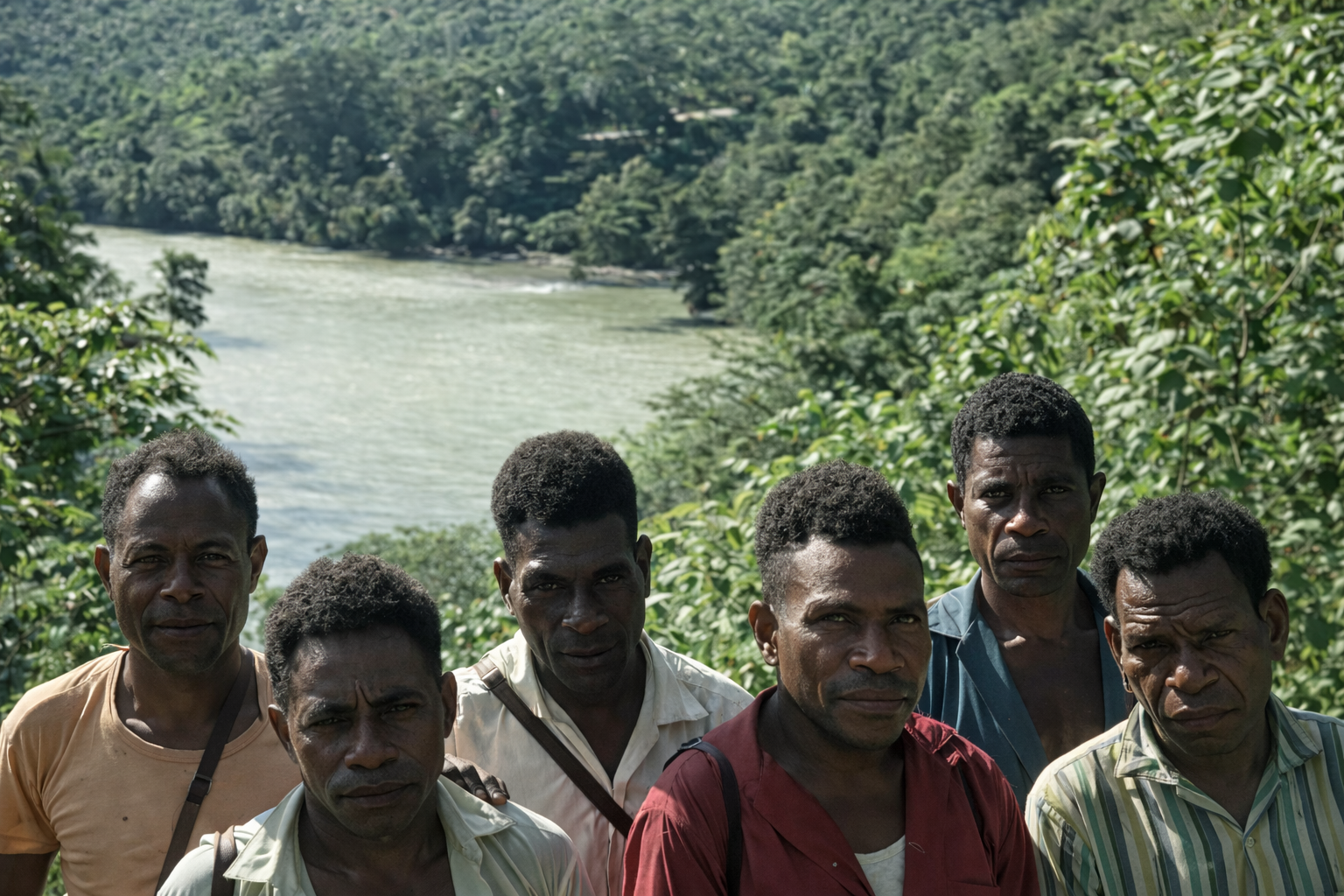
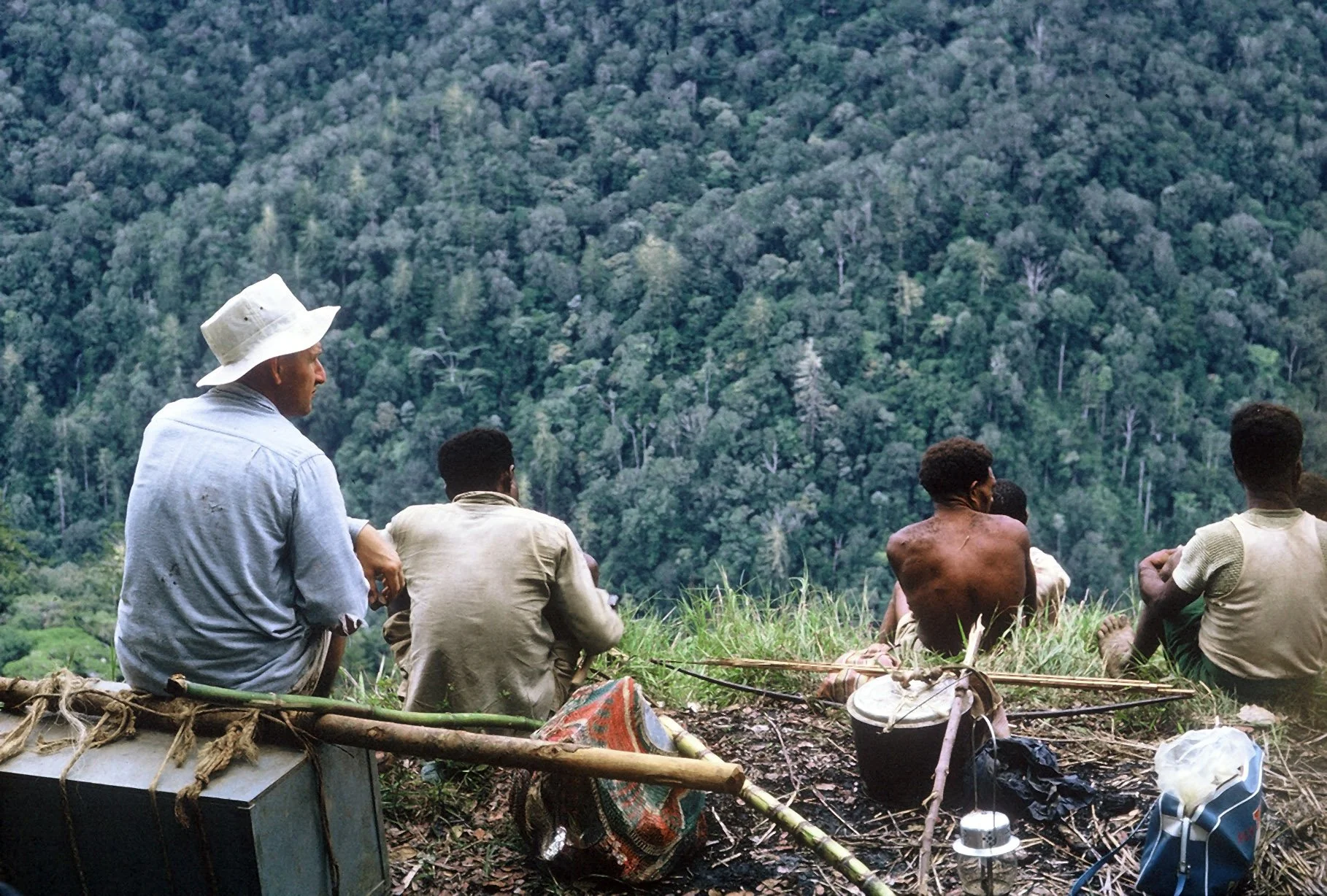
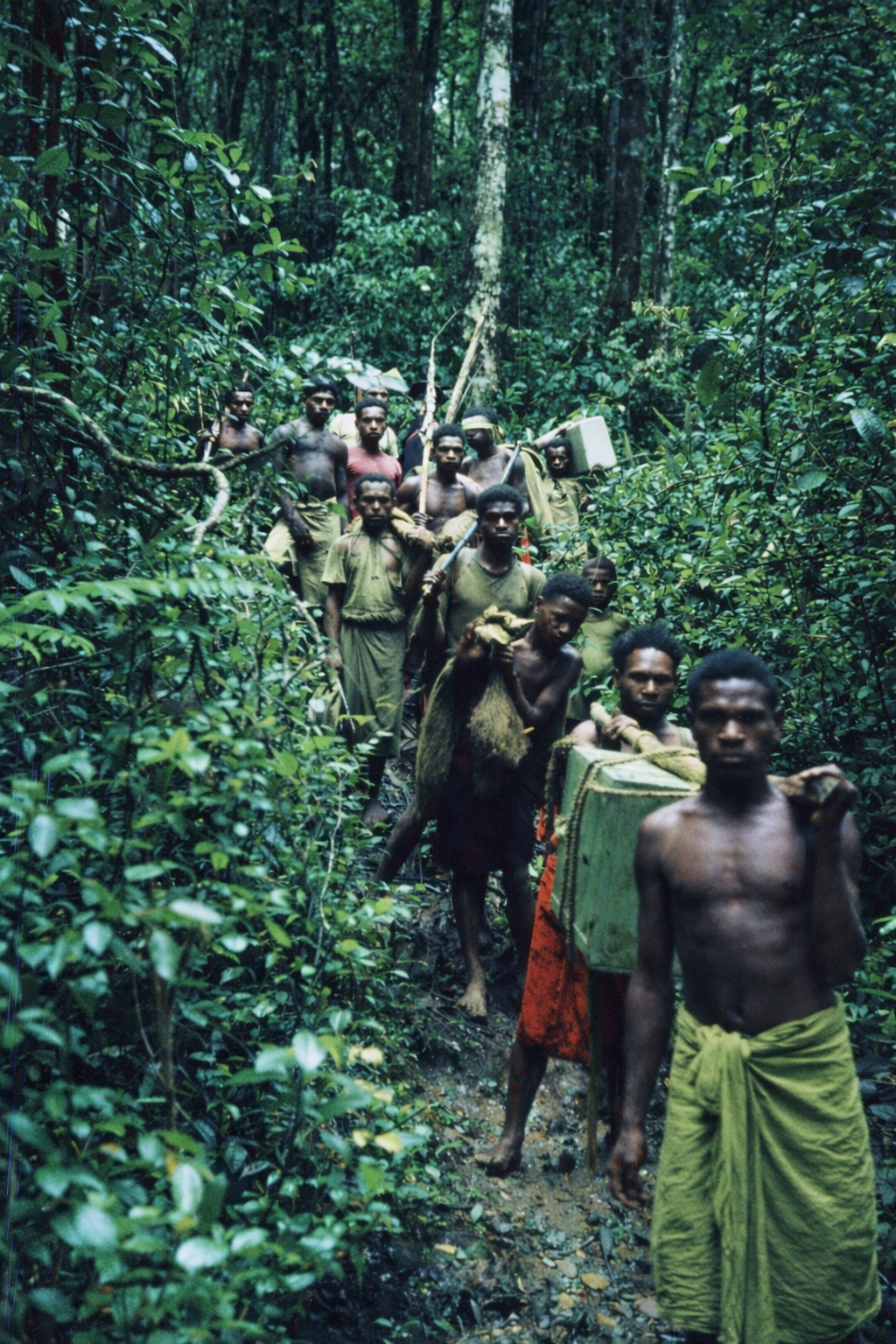
The people from the first village he would visit sent down four or five carriers to take him “to the mountains.” What they actually carried was his wabi — his cargo. Ina filled large canvas rucksacks with leather straps, packing and repacking until there were usually four of them before she could finally get them closed and sent off.
What followed was not a summary, but a list — precise, practical, and hard-earned.
Packing for a Bush Trip (January 1963)
(from Ina Erickson’s letter — preserved in full)
The first rucksack is usually filled with food. Al gets some food from the natives, but one can’t always count on it and the restaurants along the way aren’t very good. So I pack enough food to last the one, two or three weeks that he will be gone.
He has a camping outfit that his mother and father gave him before we left the states that really has been wonderful to have. It is a large kettle that has a heavy lid with a detachable handle that can also be used for a frying pan, a smaller kettle—about a quart size—and a coffee pot. It also has tin plates. I include a set of knives, spoons and forks that all hook together, some cups (usually plastic), a couple of cereal bowls, some large tablespoons, and a sharp cutting knife.
He needs a couple of dish towels, dish cloths, soap and a dish pan also. Matches, of course, are a must, but each village furnishes him with firewood, and a cook and a bottle washer. This used to be a problem, but now so many of the girls have worked as house girls for Europeans (all white people are called Europeans or bomboms) so they have some idea how to cook palatable food. New Guineans are not noted for their excellence in food. Food is a necessity for existence, not a luxury to be enjoyed.
I include powdered milk, sugar, salt, pepper, butter, jelly, and cereal, as they are usually in a hurry to get going in the morning to another village. I put in tins of meat (that’s Australian for anything that is in a tin can), as meat is rare in the New Guinean diet, so they don’t have any extra to give to Bingsu. I also include some cans of pork and beans, packaged dried soups, tins of cheese and peanut butter.
When he goes down to the coast, I include some potatoes and/or rice, as they usually don’t have much food to spare. In the villages sometimes they give them a chicken or some taro, which Al actually likes. I have a hard time getting taro down. The coastal villages sometimes will have fish from a catch to give him. If they have a feast such as celebrating communion, baptisms or marriages, they have killed a pig and they will give him some of that. All of the meat is boiled. Once Al sent home some pork that had been boiled in a green bamboo stick and it really tasted good.
But mostly he has to rely on what I have sent with him. Bread only keeps for a few days, so I have to toast the bread. I toast two or three loaves in the oven until it is very hard. If it is dry, it will keep for several weeks. How he can stay on dry bread I don’t know, but food doesn’t seem very important to him on his trips. He doesn’t like to eat too much differently than the others that are traveling with him.
We discovered a food supplement that the Australians use, when Tommy was having such a bad time tolerating food, called Milo milk. It has all the necessary vitamins and minerals. We mix it with hot milk or powdered milk and hot water and have a delicious malt drink. So instead of coffee and tea, I send him some Milo for his trip.
That should fill about two rucksacks.
Then he has to have one of clothes. He also needs a towel, washcloth, soap, toothbrush, razor and mirror, and comb. He usually bathes in a nearby stream. Luckily, most villages are built near a stream for water supply. So I also include a bathing suit.
Then the usual underclothes and wool socks for hiking, as they absorb the water better when walking through streams and rivers. They don’t feel so cold and soggy and don’t wrinkle, causing sore feet as cotton ones do. He wears tennis shoes instead of the heavy shoes with cleats the older missionaries used to wear. It is hard enough to drag oneself up and down mountains without dragging a lot of extra weight along.
When I ask Paula (2½) where daddy is, she always tells me, “Daddy go up and down the mount.” Truer words were never spoken.
Then he must have a jacket for the mountains and flannel pajamas for the cool night air when it gets pretty cold, long-sleeved shirts, handkerchiefs, and one long pair of pants, of course, for the meetings.
Included are the Jabem Bible, songbook, and Jabem book of Bible stories. He likes to have an English Bible and a good mystery for a few minutes of relaxing before he goes to sleep at night.
That fills the third rucksack.
Aren’t you glad you don’t have to carry it up and down the mountains?
The last rucksack has his sleeping bag, air mattress, and mosquito net in it, plus kerosene for the lamp, some matches, or tins of fish to give the carriers as gifts. There isn’t any pay, as this is one of the ways New Guineans have of contributing to the spreading of the gospel.
Al usually comes home with cockroaches, termites, and big black ants in his socks that he picks up along the way. They often give him oranges, cucumbers, and potatoes which they raise to sell but don’t eat themselves.
He wears a helmet all of the time and has a raincoat handy, as it has been known to rain even if we have been a bit short on it just now. The road is a bit more difficult when it is wet. A walking stick helps the progress a lot.
So at last I have him off.
Oops! I forgot the cookies and the candy bars he needs for added energy.
Living Simply — and Knowing the Limits
Ina closed the letter by reflecting on something missionaries learned early.
They had been warned not to try to live exactly as the villagers did. European bodies, she wrote plainly, could not take it. The people understood this and did not expect it. Living simply, coming from their background, was still complicated.
The weather was hot, even for New Guinea. They looked forward to the cooler rainy season. They felt more at home as time passed, even while holding the hope of returning someday to the United States — to sit down and talk without hurry, to tell stories that would never fit neatly into letters.
For now, life went on between coast and mountains, between Christmas parcels and bush rucksacks, between worry and gratitude. January did not resolve anything.
It simply showed, in careful detail, what it took to stay.
The following are the actual letters for January 1963:
1963 January 2
Letter written by Ina Erickson from the Malalo Mission station to Martin and Willa Tonn, Route 1, Box 224, Alexandria, MN
Dear mom and dad, Willa and Martin and family,
Happy New Year. We haven’t sent a Christmas letter yet as we wanted to describe Christmas at Malalo. So we decided to wait until after Christmas.
Your boxes arrived the weekend before Christmas. My goodness you really went all out. You really shouldn’t have done so much. But we did enjoy it. The records were so nice. Al really liked his records. We were appreciated the candy and is going to take a long on hikes. And the ball pump was real nice. The kids enjoy records and books. We haven’t opened all of the boxes yet, but, will do so gradually as I give the boxes to them. They loved the ball, and Paula had no slips so was wonderful to get one. I sure was blessed in that the clothes all fit very well. It was so fun to go to Lae on Monday and have such nice clothes to wear. Thanks loads for the undies and cosmetics. The duty just went up on cosmetics and jewelry -15% so I guess best not to send them. Sure appreciated them though.
The reason I am in Lae is that Tommie broke his collar bone last Friday. We set it and taped it at Malalo. But when I had a chance to come in and have a chance to get x-rays and a good support, I jumped at the chance. I don’t know what he did. I just noticed it was swollen when I felt it I could feel the bones grating together so I had to fix him up.
The x-ray showed it was in good alignment for which I was very grateful. It should heal easily. I left Al at home with the two single teachers. Tomorrow, if I go home, I have to see the doctor again before I leave. We will be taking two more back with us on the Victor. They are planning to make a trip into the mountains for a week. Should be interesting. One is June Prange, the girl that wrote about ‘Christian’. By the way, Christian is now president of the council in our area. That is quite an honor and a big job plus being a church leader.
We love the jolly news that the Mission has spent $20-$30,000 over their budget so all will have to cut down spend in 10 to 15%. No more new missionaries for next year and no more building for next year I surely hope this doesn’t mean the beginning of the end of mission work. But if funds won’t come in New Guineans are too young to take over financially. Which could be good in the long run.
We love you all and thank you for a wonderful Christmas.
Love Ina.
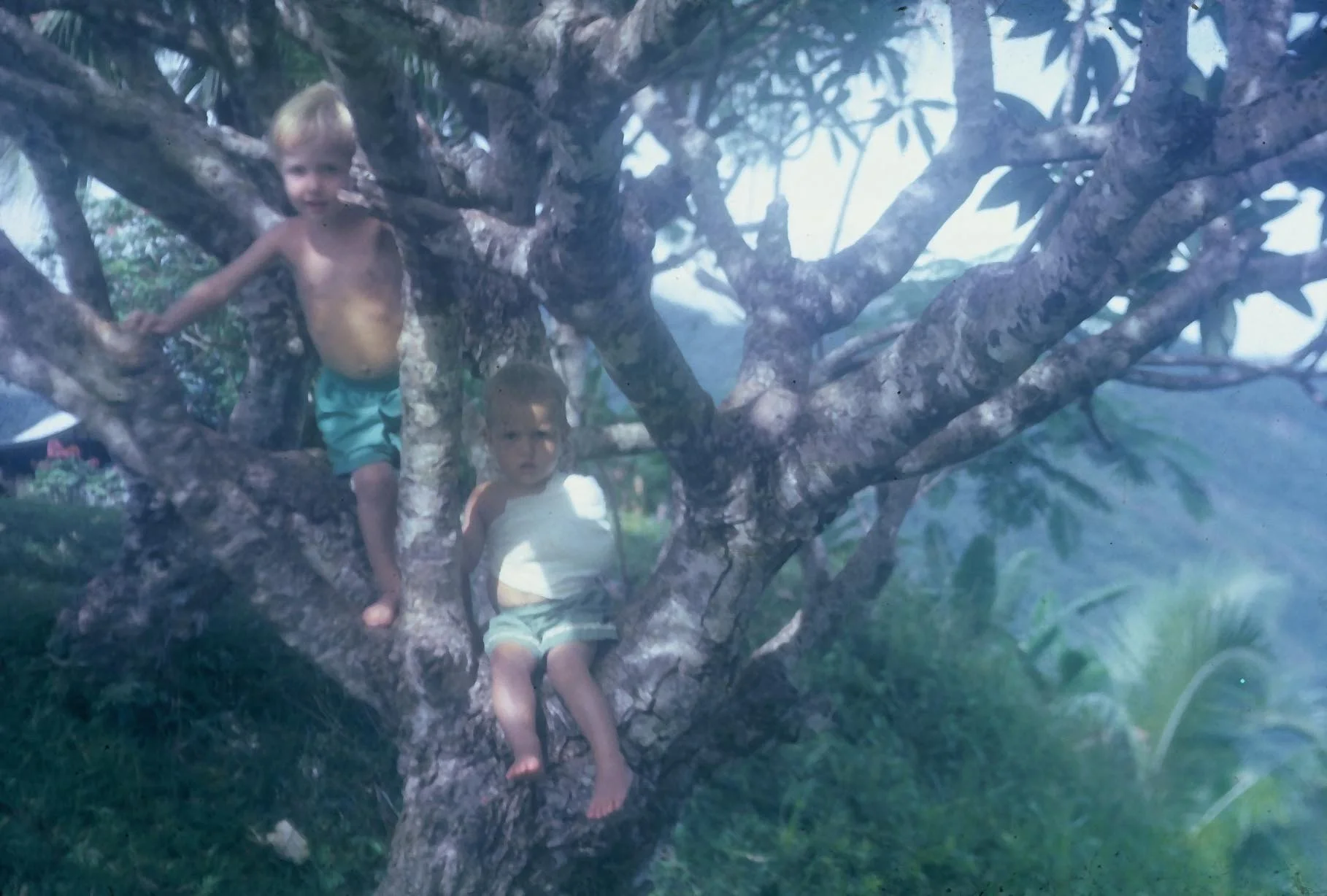
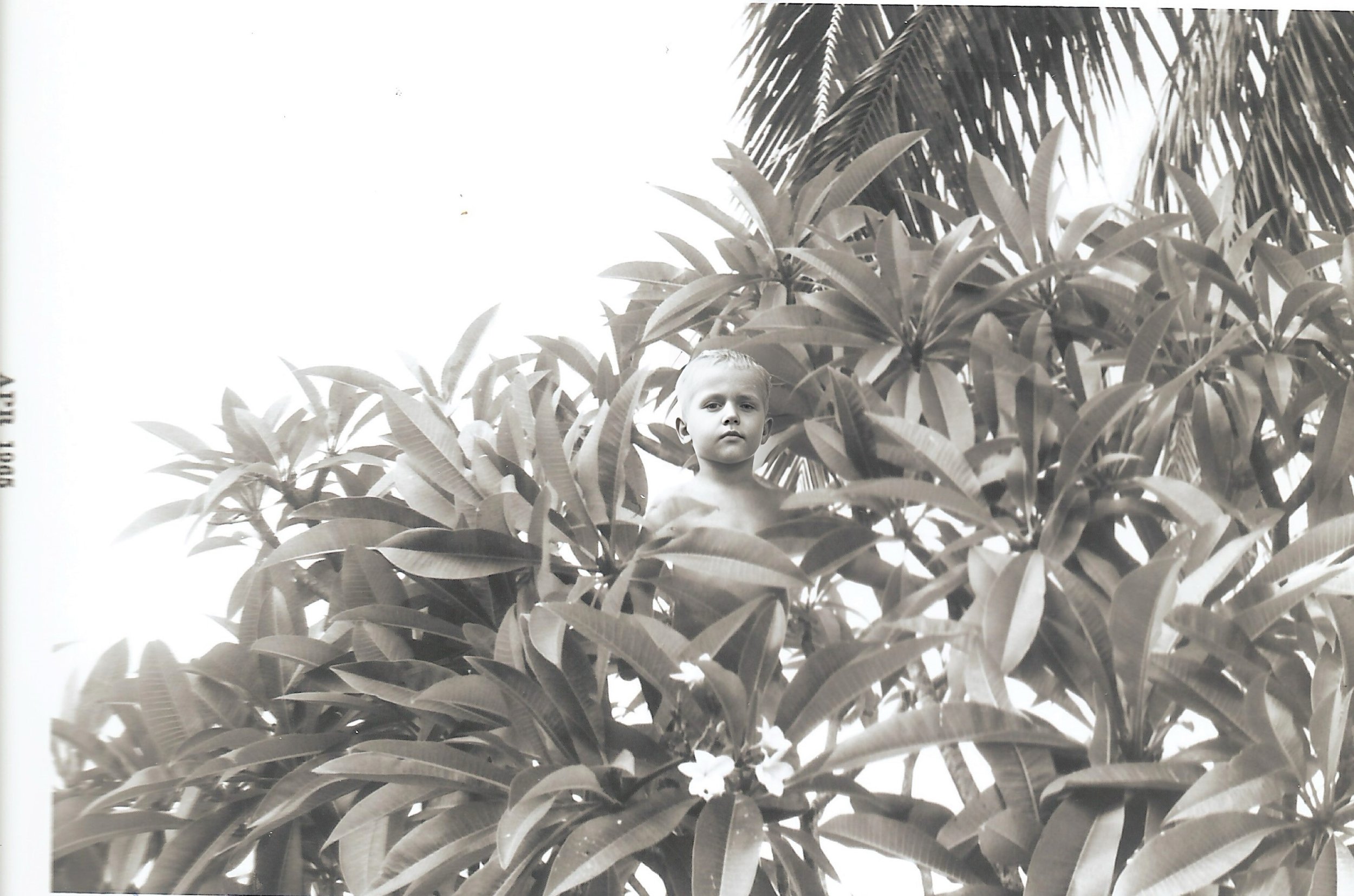
1963 January describing packing for bush trips.
Dear beloved friends,
First of all I wish to thank you for all of your Christmas greetings, cards, pictures and letters. We do appreciate the faithful friends that pray for us daily. I thought some of you might be interested in knowing what Al takes with him when he is going on a trip into the bush.
The people from the first village he is going to visit, send down four or five carriers that will carry ‘him to the mountains.’ What they actually do is carry his ‘Wabi’ or cargo. We have large rucksacks made of canvas with leather straps that they can carry on their back’s. I usually manage to fill four of them before I finally get them off. The first one, is usually filled with food. He gets some food from the natives, but one can’t always count on it and -(the restaurants along the way aren’t very good). So I pack enough food to last one, two or three weeks that he will be gone.
He has a camping outfit that his mother and father gave him before we left the states that really has been wonderful to have. It is a large kettle that has a heavy lid with a detachable handle that can also be used for a frying pan, a smaller kettle -about a quart size, and a coffee pot. It also has tin plates. I include a set of knives spoons and forks that all hook together, some cups, usually plastic, a couple of cereal bowls, some large tablespoons, and a sharp cutting knife. He needs a couple of dish towels, dish cloths, soap and dish pan also. Matches of course are a must, but each village furnishings him with firewood, and a cook and a bottle washer. This used to be a problem, but now so many of the girls have worked as house girls for Europeans. (all white people are called Europeans or bomboms) so they have some idea how to cook palatable food. New Guineans not noted for their excellence in food. Food is a necessity for existence not a luxury to be enjoyed. I include powdered milk, sugar, salt, pepper, butter, jelly, cereal as they are usually in a hurry to get going in the morning to another village. I put in tins of meat (that’s Australian for anything that is in a tin can) as meat is rare in the New Guinean diet, so they don’t have any extra to give to ‘Bingsu’. I also include some cans of pork and beans, packaged dried soups, tins of cheese and peanut butter. When he goes down to the coast, I include some potatoes and or rice, as they usually don’t have much food to spare. In the villages sometimes they give them a chicken or some taro which Al actually likes it. I have a hard time getting taro down. The coastal villages sometimes will have fish from a catch to give him. If they have a feast such as celebrating communion, baptisms or marriages they have killed a pig and they will give him some of that. All of the meat is boiled. Once Al sent home some pork that had been boiled in a green bamboo stick and it really tasted good. But mostly he hast to rely on what I have sent with him. Bread only keeps for a few days so I have to toast the bread. I toast two or three loaves in the oven until it is very hard. If it is dry it will keep for several weeks. How he can stay on dry bread I don’t know, but food doesn’t seem very important to him on his trips. He doesn’t like to eat too much differently than the others that are traveling with him. We discovered a food supplement that the Australians use, when Tommy was having such a bad time tolerating food, called Milo milk. It has all the necessary vitamins and minerals. We mix it with hot milk or powdered milk and hot water and have a delicious malt drink. So instead of coffee and tea, I sent him some Milo for his trip. That should fill about two rucksacks. Then he has to have one of clothes. He also needs a towel, washcloth, soap, toothbrush, razor and mirror, and comb. He usually baths in a nearby stream. Luckily, most villages are built near a stream for water supply, So I also include a bathing suit. Then the usual under clothes and wool socks for hiking as they absorb the water better when walking through streams and rivers. They don’t feel so cold and soggy, and don’t wrinkle, causing sore feet as cotton ones do. He wears tennis shoes instead of the heavy shoes with cleats, the older missionaries used to wear. It is hard enough to drag oneself up and down mountains without dragging a lot of extra weight along. When I asked Paula (2 ½) where daddy is, she always tells me ‘daddy go up and down the mount’. Truer words were never spoken. Then he must have a jacket for the mountains and flannel pajamas for the cool night air when it gets pretty cold, long sleeve shirts, handkerchiefs and one long pair of pants of, course, for the meetings. Included is the Jabem Bible, song book and Jabem book of Bible stories are included. He likes to have an English Bible and a good mystery for a few minutes of relaxing before he goes to sleep at night. That fills the third rucksack. Aren’t you glad you don’t have to carry it up and down the mountains?
The last rucksack has his sleeping bag, air mattress, and mosquito net in it plus kerosene for the lamp, some matches, or tins of fish to give the carriers as gifts. There isn’t any pay, as this is one of the ways New Guineans have to contributing to the spreading of the gospel. Al usually comes home with cockroaches, termites and big black ants in his socks that he picks up along the way. They often give him oranges, cucumbers and potatoes which they raise to sell but they don’t eat them themselves.
He wears a helmet all of the time and has a raincoat handy as it has been known to rain even if we have been a bit short on it for just now. The road is a bit more difficult when it is wet. A walking stick helps the progress a lot. So at last I have him off.
Oops! I forgot the cookies, and the candy bars he needs for added energy.
We were warned when he first arrived not to try and live like the natives do as our constitution’s just can’t take it. The natives understand this so don’t expect us to try. We do try to live simply, but coming from a society like ours, living simply, is still complex. The weather has been quite hot even for New Guinea. We really are looking forward to a cooler rainy season. We feel so much more at home in our new environment as the months pass, though we are looking forward to the day when we will return to the United States. We look forward to having a chance to sit down and have a nice long talk with many of you. God‘s blessings to you all. Thank you again for being so generous with your letters, thoughts, cards, gifts and most of all your prayers. Love in his name.
Pastor Al, Ina, Paula and Tommy.
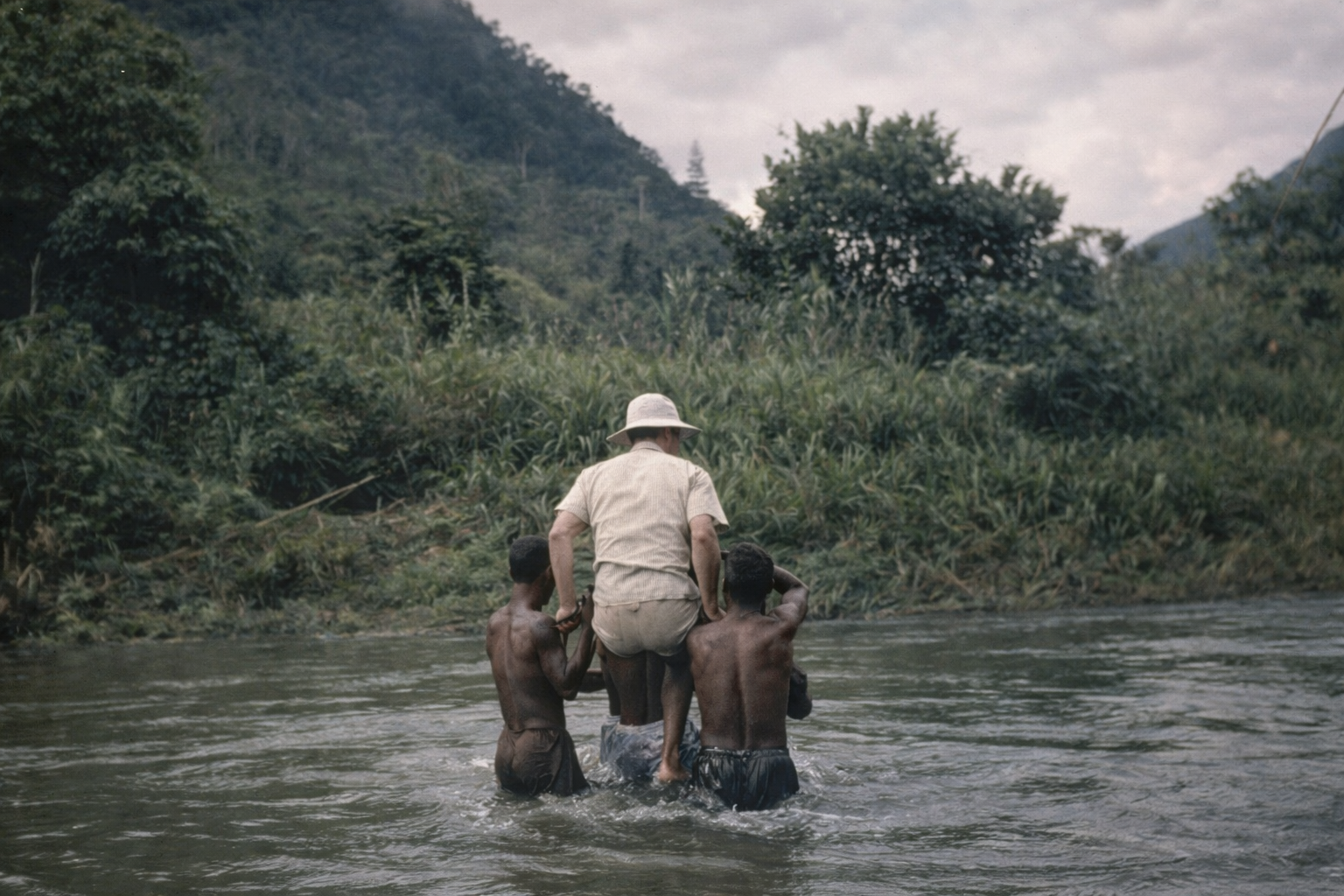
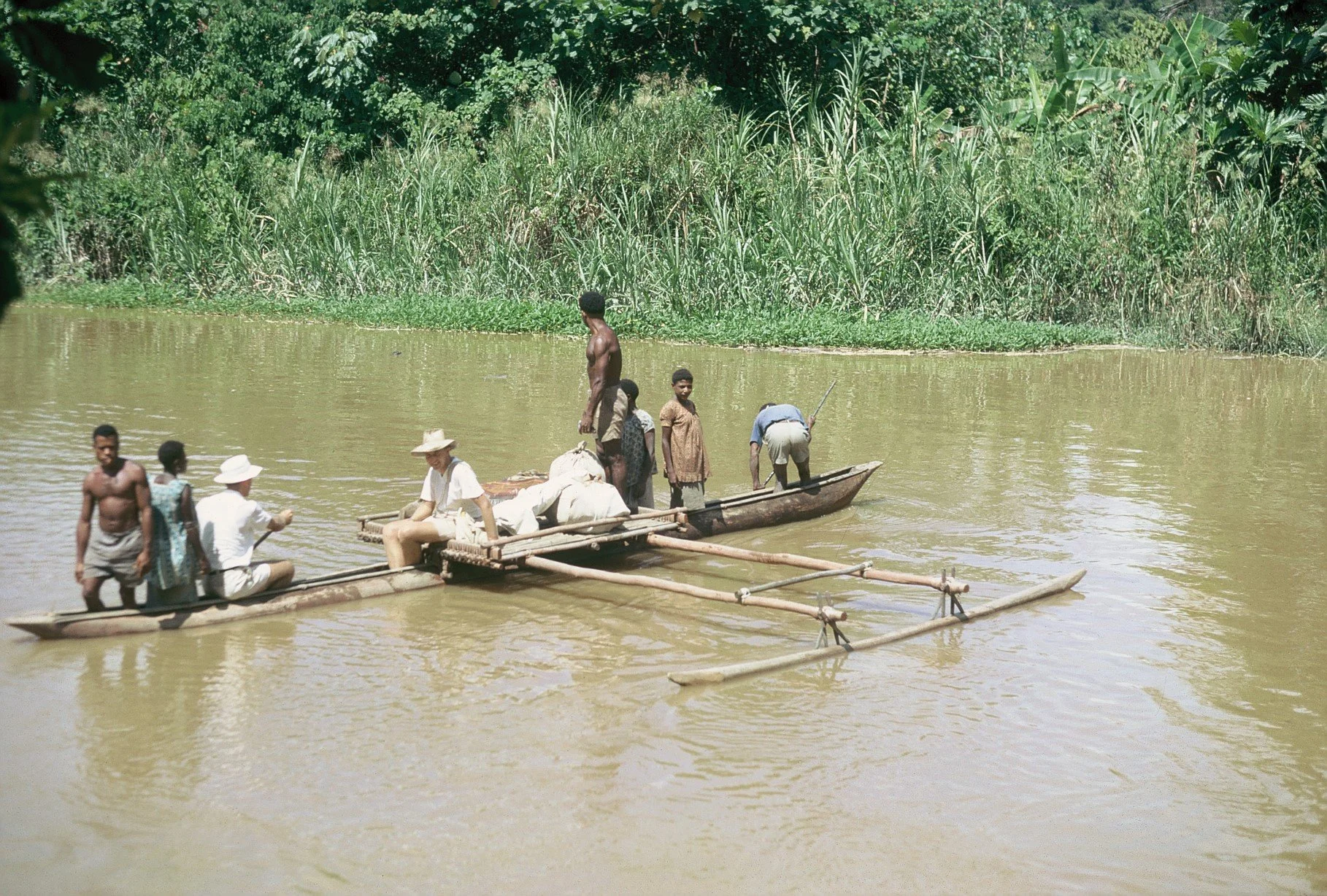
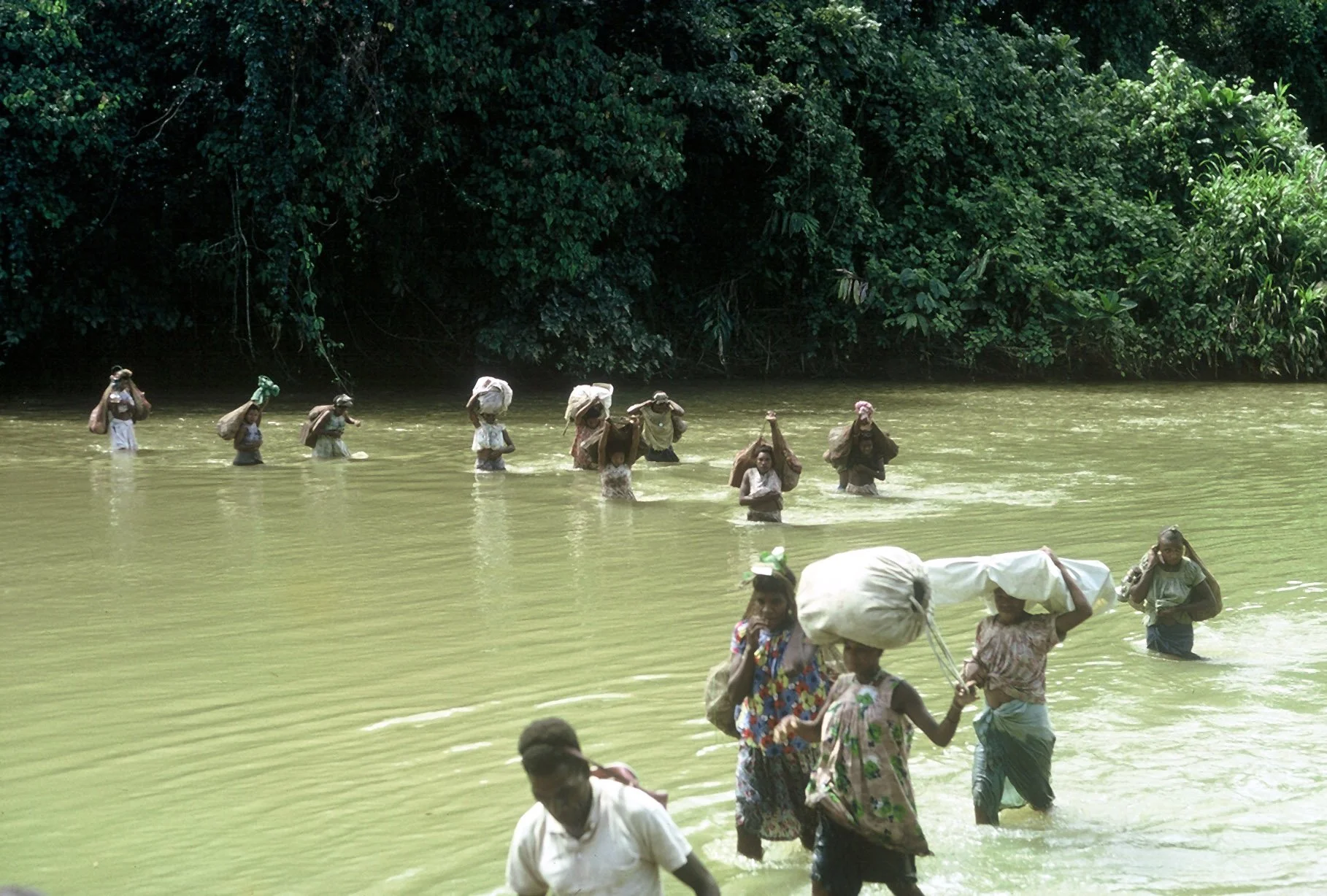
The following letter is undated and I suspect it was written in 1964 but this gives a glimpse into being on a bushtrip and what it entails:
From Pilemon from Alvin about a bushtrip
Dear Greg and Vicki, (Alvin’s niece and nephew)
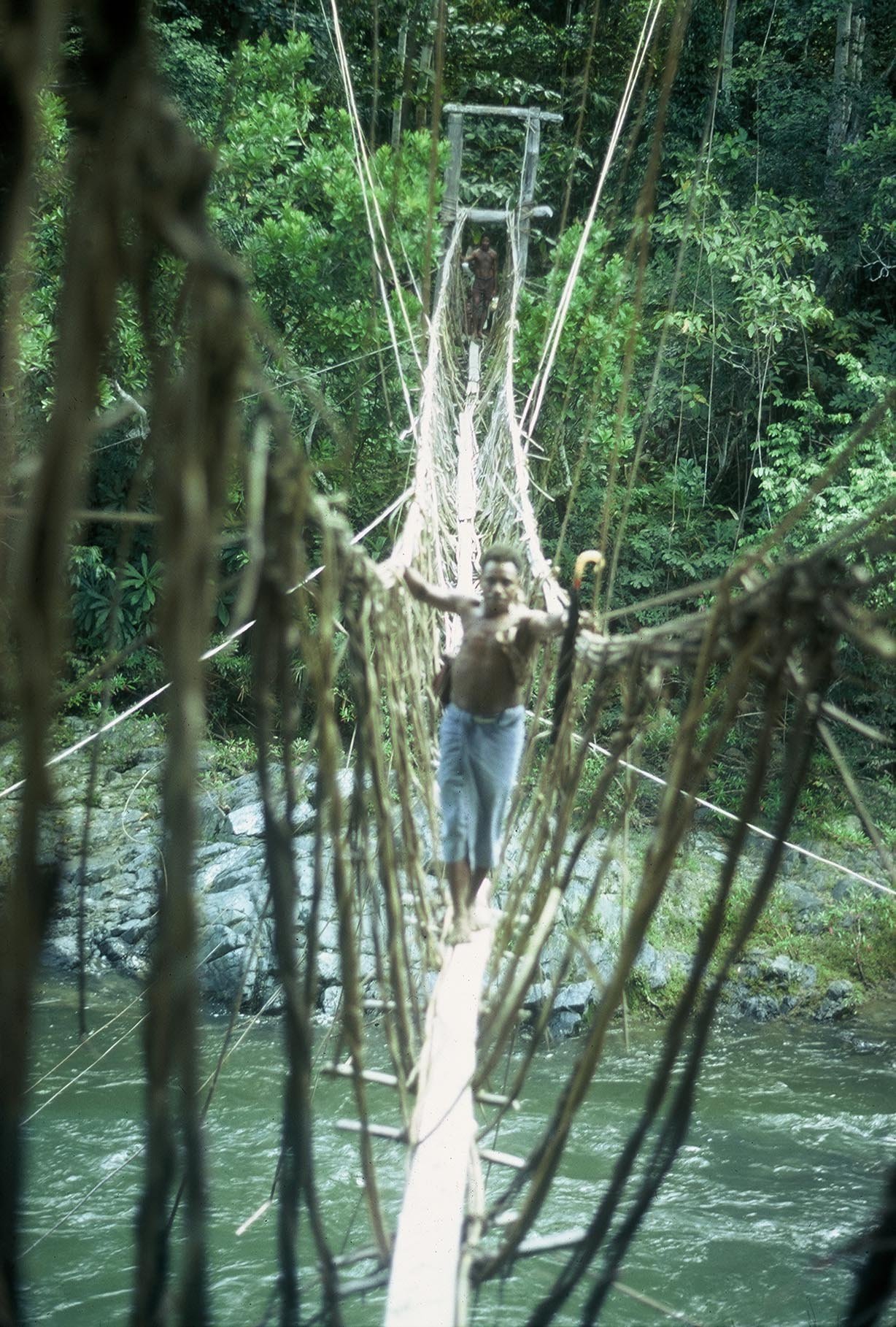
Hi from the top of a cold mountain. I’m sleeping in a teachers house tonight. The floor is made of bamboo slats, so there are plenty of wide spaces between the bamboo. At my feet is a fireplace which I’m not going to use because of all the smoke and besides my sleeping bag does one pretty well. From here you can almost see the sea although this is the fourth mountain we have climbed since leaving the coast so we’re probably 30 miles inland. Tomorrow it’s down and down till we hit hot climate again in a village with coconuts.

Typical floor in a bush house.
Seven New Guinea men are with me and we are visiting all the villages in this area. In several villages, the people killed a pig for us to eat. There are no roads here so the only visitors that people get are those who walk in.
As usual the people are quite friendly, and we have had some good discussions. They have given me bananas, sweet potatoes, corn, pineapple, onions, and tomatoes so I’ve not gone hungry. I’m sure you would enjoy coming with me on a trip like this. It’s a very easy to sweat here in New Guinea and this makes it a little cooler. The jungle, Rushing, rivers, and big mountains are very scenic. We usually take a bath in a stream at the end of the day
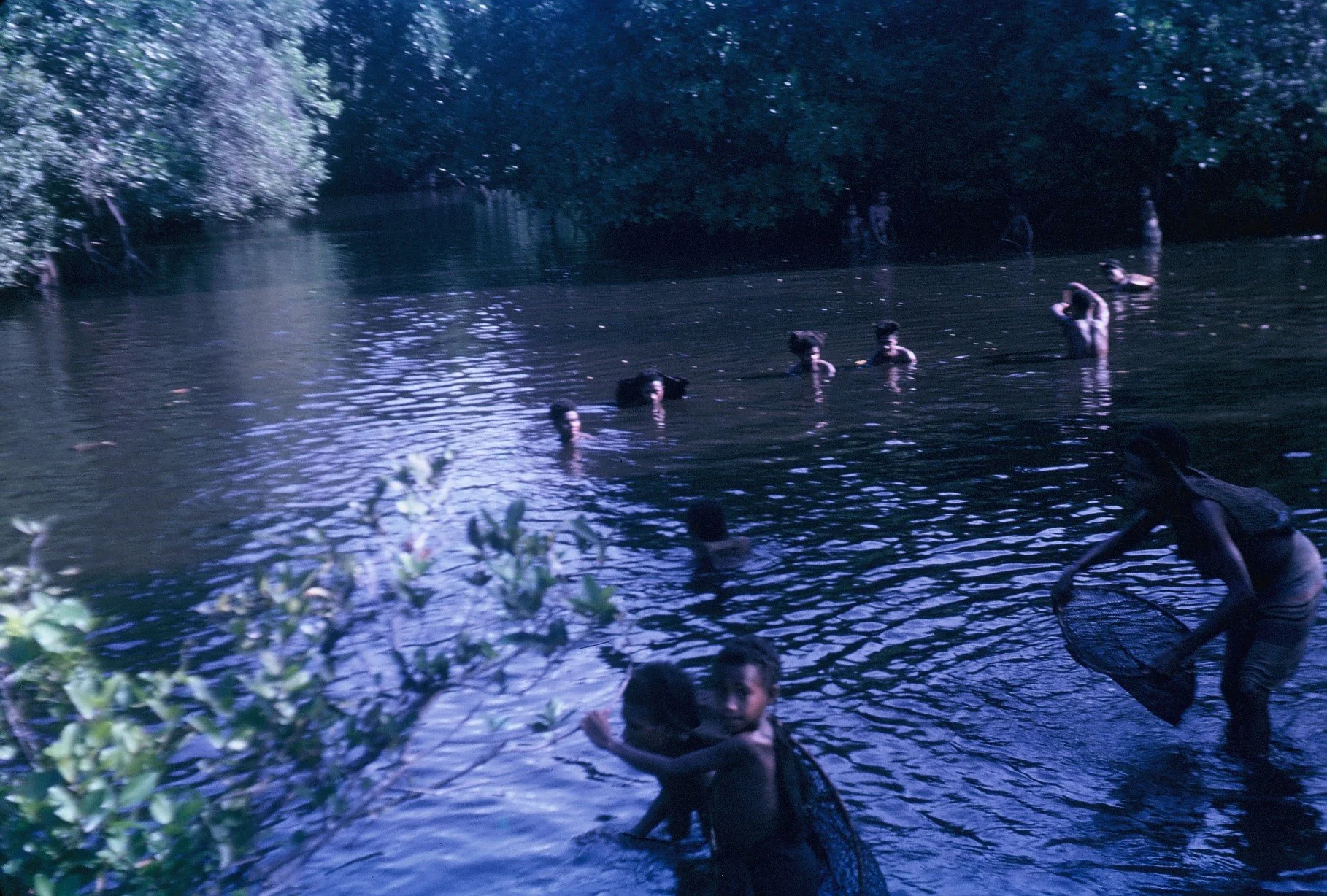
I have visited all the schools to see if the children are learning to read it right. Most of all, I’m interested to hear what they know about our Lord Jesus. The people here are very poor, but many know that they’re real help in Christ. He alone cares for them at all times. Many men from this area have left their villages and have gone to teach the gospel to the heathen people who are still visiting each other.
How are you doing in school? We hope you like your teacher and are learning a lot. Paula, Tommy and Kristi would surely like to see you and your mom and dad. Did you get some of the shells we sent? Some of them could be cut and polished if you had the right kind of saw and buffer.
Just before I left Malalo I had a few close calls with snakes. One was curled at the door of our bathhouse, and when I came to unlock the door, it was only about 6 inches away from my foot. By the mercy of God, he did not strike, but a slight noise made me step back and then I saw him with my flashlight….. the next page is missing.

Dear Beryl, Bruce and Danny,
We surely have enjoyed the pictures of Danny. He looks so content and happy. In the last letter from mother she said that you had gotten Danny into one of the hospitals. Maybe you could fill me in on the details huh?
The Scherle’s1 who are the missionaries that got Al interested in New Guinea, were here for a few days after New Year’s. Jimmy their little boy loved being with all of his friends again. (they lived at Malalo for 15 years and then we took over last year). Fred has been having so much trouble with his back. The doctors here have decided to send them to Rochester Minnesota for surgery. I don’t know when he’ll be going but will be gone for three months at least. I don’t know if Edna will be going or not.
Ted Hilpert2, the single fellow who was going to school with Al last summer will also be returning to the states. He decided that he can use his talents best in the states. He had been offered a position with the chaplain at Fairview before he left so has inquired about the same position upon returning. He wants to continue with more school also. You may run into him and if you do you might get him to show you some of the slides and curios that he has collected here. He is planning to get married in December. I thought that Marilyn, his fiancé, would be coming with him to Malalo, but at the last minute there was a change of plans, per usual in New Guinea. And she went up to the conference to help prepare for it ahead of time.
Barb and Vince Fricke3 were here at the same time as Ted. So it was really like old times4. They still don’t have any children and are hoping and hoping that they will soon. They had a physical just before they came to Malalo and the doctor seem to think he found a cause which he gave them some pills for, so we will have to see if it helps.
Thank you for your faithful letters. We pray God gives you strength each day knowing how difficult it will be to give Danny up for the months he hast to spend in the hospital. We will pray to that he can receive help and that God’s well might be done. He loves us so much and his desire is for our happiness and not our sorrow. All things do work together for God for those that love the Lord. His strength be with you each day.
Love Ina and the family.
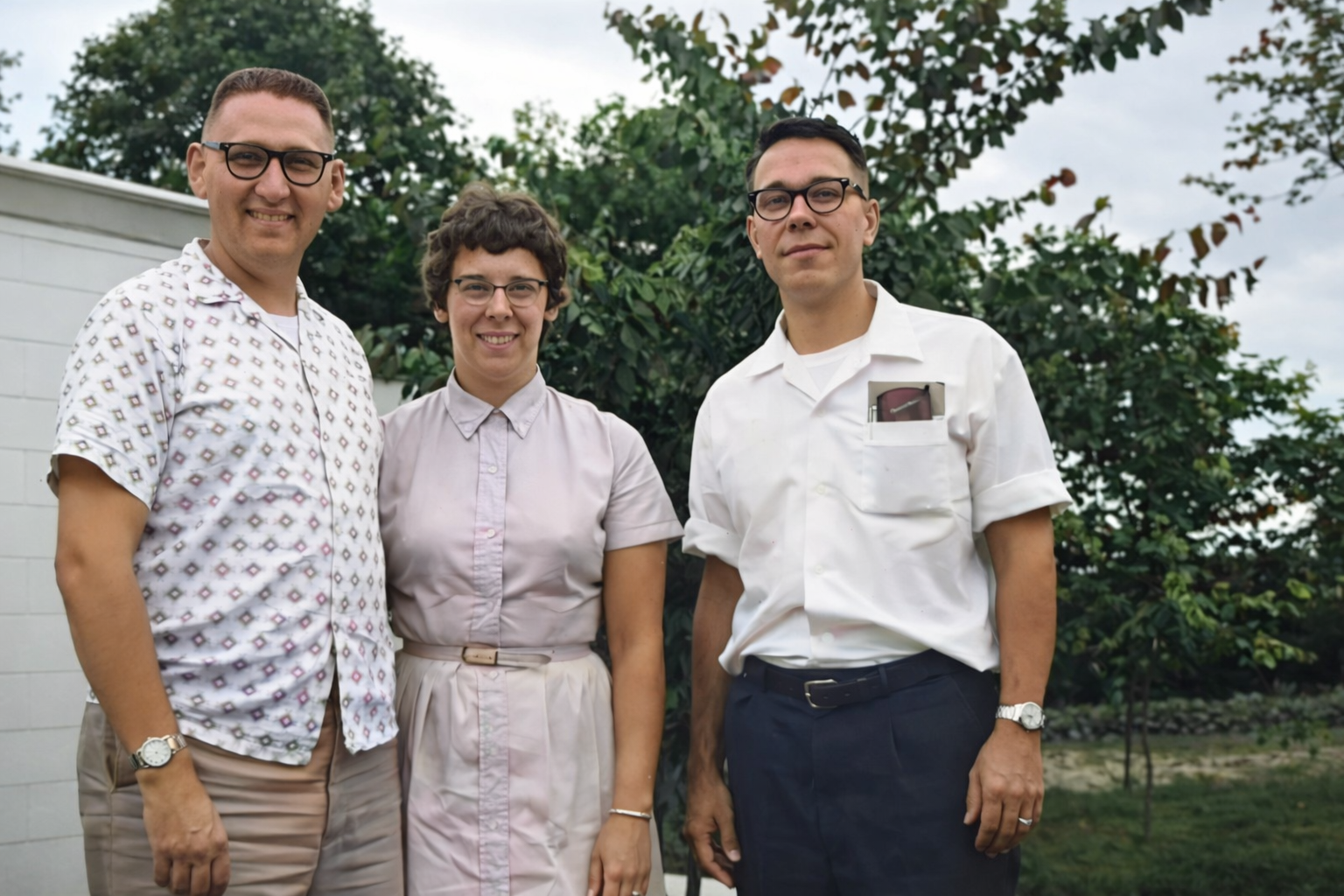
Vince and Barb Fricki and Bob Jamieson
Footnote:
1 Scherle Reverend Fred and Edna. Evangelism and social concerns. 1946 -1967. 1972 -1981. They were stationed at Malalo from 1946 to 1961. Then at Mumeng.
2Hilpert, Reverend Ted and Sharyn. Evangelism/ Seminary 1961-1962 and 1978-1989
3Fricke, Reverend Vince and Barb. Evangelism 1961-1974. Ponapa station
4 Oronsay Ship. Erickson’s boarded ship in San Francisco August 1961. Other missionaries on the ship were Marty and Florence Heist, with their kids, Janet and Daniel. Some of the other missionaries with them on the ship, Vince and Barb Fricke and Ted Hilpert.
The ship sailed to Vancouver and then to Honolulu Hawaii and then to Fiji. They visited the market which had lots of tables and wares. Paula got lost in a market in Fiji. It was wide and long and suddenly Ina suddenly realized Paula was gone. So, there was lots scurrying to find Paula. Vince and Barb Fricke and Ted Hilpert all helped to find Paula.